
Introduction: Are You Believing These Vegan Leather Myths?
A few years ago, a friend of mine bought a vegan leather jacket and returned it within a week. Her reason? She believed it would fall apart in months and look fake. She had heard all the usual things “it’s just cheap plastic,” “it won’t last,” “real leather is always better.” Sound familiar?
Here’s the truth: vegan leather myths have spread so far and so fast that many people are making fashion choices based on completely wrong information. Whether you care about the environment, animal welfare, or just want a stylish bag that lasts – you deserve the real facts.
In this post, we’re busting 9 of the biggest myths about vegan leather so you can finally decide for yourself with clear, accurate information.
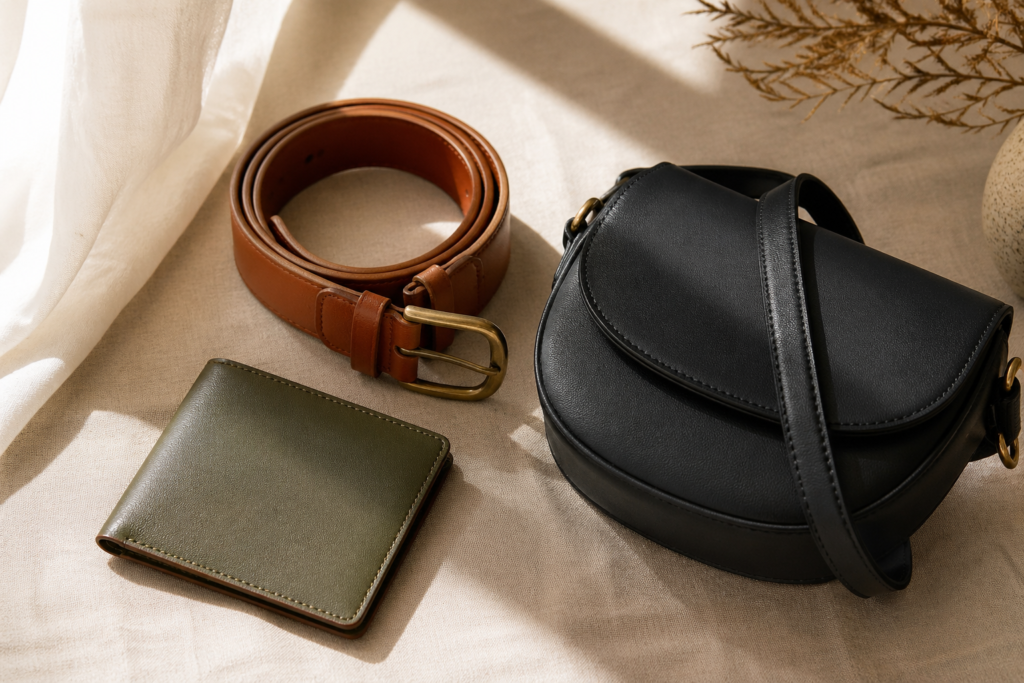
The Biggest Vegan Leather Myths That Need to Stop
Let’s get right into it. These are the myths that show up constantly – in comment sections, shopping forums, and even from people who’ve never actually tried vegan leather themselves.
Myth 1: Vegan Leather Is Always Low Quality
This one is probably the most common. People assume that because it isn’t animal hide, it must be inferior. But that’s simply not true anymore.
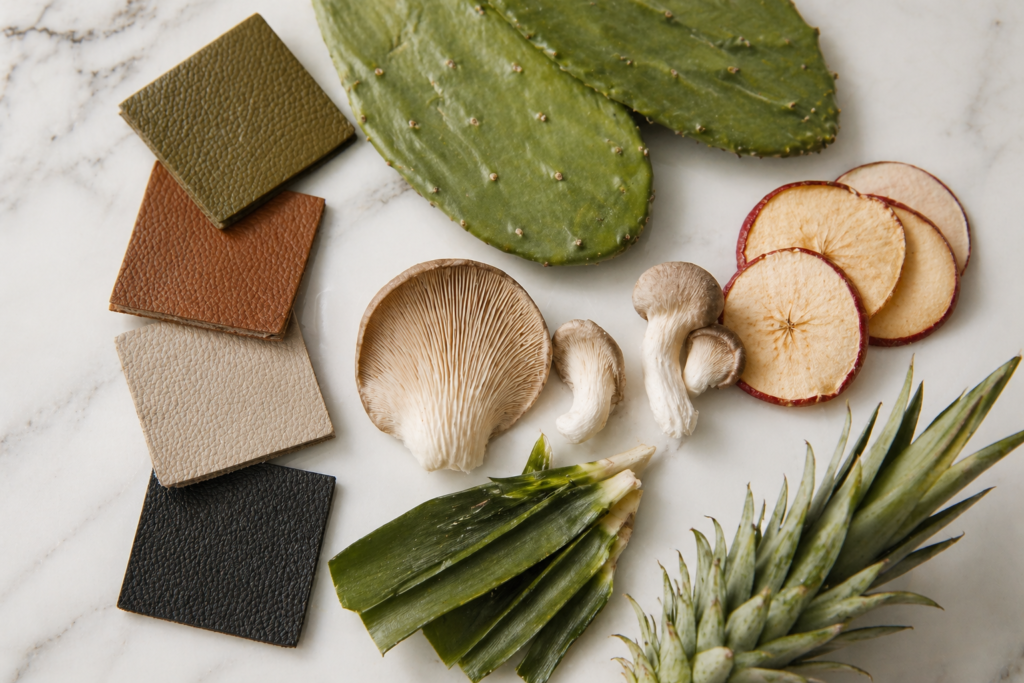
Modern vegan leather comes in many forms – PU leather, PVC, and newer plant-based options like cactus leather, apple leather, and mushroom leather (called Mylo). Some of these materials are genuinely impressive in texture, structure, and finish.
Brands like Stella McCartney and Gucci have released luxury plant-based leather goods. These aren’t cheap fast-fashion pieces. They’re high-end, carefully engineered products built to look and feel premium.
Quality depends entirely on the brand, material, and manufacturing process – not on whether it came from an animal.
Myth 2: It Doesn’t Last Long
Yes, low-grade PVC products can crack and peel within a year. But that’s a manufacturing quality issue, not a vegan leather issue.
High-quality PU leather and plant-based alternatives have dramatically improved. Studies from sustainable materials researchers show that top-tier vegan leather products can last 5-10 years with basic care. That’s competitive with mid-range genuine leather goods.
The key is knowing what you’re buying. A $12 vegan leather wallet from a discount site will not last. Neither will a $12 genuine leather wallet.
Myth 3: Vegan Leather Is Always Made From Plastic
This myth made more sense 10 years ago. Back then, most faux leather was PVC – which is petroleum-based plastic. Not great for the environment.
But today, the material landscape has changed significantly. Innovators are creating leather alternatives from:
- Cactus (Desserto brand from Mexico)
- Mushroom mycelium (Bolt Threads’ Mylo)
- Apple peels (leftover from the juice industry)
- Grape skins (wine industry byproduct)
- Pineapple leaves (Piñatex)
These plant-based materials are not plastic. They’re genuinely natural and often biodegradable. So the next time someone says “vegan leather is just plastic,” you have a real answer.
Add Your Heading Text HereVegan Leather Myths About Durability and Quality
It’s worth going deeper here because durability is the number one concern shoppers have. And honestly, it’s where vegan leather myths do the most damage.
Myth 4: It Looks Fake and Cheap
Walk into any premium fashion store today and try to spot the vegan leather products by eye alone. It’s nearly impossible with the best ones.
Texture embossing technology has gotten so advanced that modern vegan leather can mimic full-grain, pebbled, or suede leather convincingly. The color depth, surface grain, and structural rigidity of high-end PU or plant-based leather products rival their animal counterparts.
Even experienced leather workers have admitted in interviews that distinguishing premium vegan leather by touch alone is genuinely difficult. The visual gap has essentially closed.
Myth 5: It Is Not Eco-Friendly at All
This one needs nuance. Some vegan leather products are not eco-friendly – especially those made from PVC, which involves harmful chemicals and doesn’t biodegrade.
But comparing that to traditional leather is also complicated. According to Wikipedia’s overview of leather production, the tanning process – especially chrome tanning – involves toxic chemicals and significant water usage. The livestock industry also carries a large carbon and land-use footprint.
Plant-based leather alternatives score better on most environmental metrics: lower water use, no toxic tanning chemicals, and biodegradability in some cases. So calling all vegan leather “bad for the environment” ignores a much more complex picture.
Myth 6: Vegan Leather Myths Say Real Leather Is Always Better
This is the myth that ties all the others together. Real leather does have genuine advantages – it breathes better, ages with character, and with proper care can last decades. Those facts are real.
But “always better” is a stretch. Real leather has its own serious drawbacks: ethical concerns around animal agriculture, environmental costs, and premium price points that make it inaccessible to most shoppers.
Vegan leather, especially plant-based varieties, offers a strong middle path. It’s improving every year. Calling one “always better” without context is just lazy thinking.
Vegan Leather vs Real Leather: A Honest Comparison
| Feature | Vegan Leather (High-End) | Real Leather |
|---|---|---|
| Cost | Lower to mid-range | Mid to high |
| Durability | 5-10 years (quality brands) | 10-30 years |
| Eco-Impact | Lower (plant-based options) | High (tanning + livestock) |
| Animal Ethics | Cruelty-free | Not cruelty-free |
| Appearance | Near-identical (premium) | Classic aged look |
| Water Resistance | Good to excellent | Moderate (needs treatment) |
| Breathability | Lower | Higher |
| Maintenance | Easy, low-maintenance | Regular conditioning needed |
As you can see, neither material wins across every category. According to Forbes’ coverage of sustainable fashion, consumer demand for ethical alternatives is rising sharply – and vegan leather is at the center of that shift.
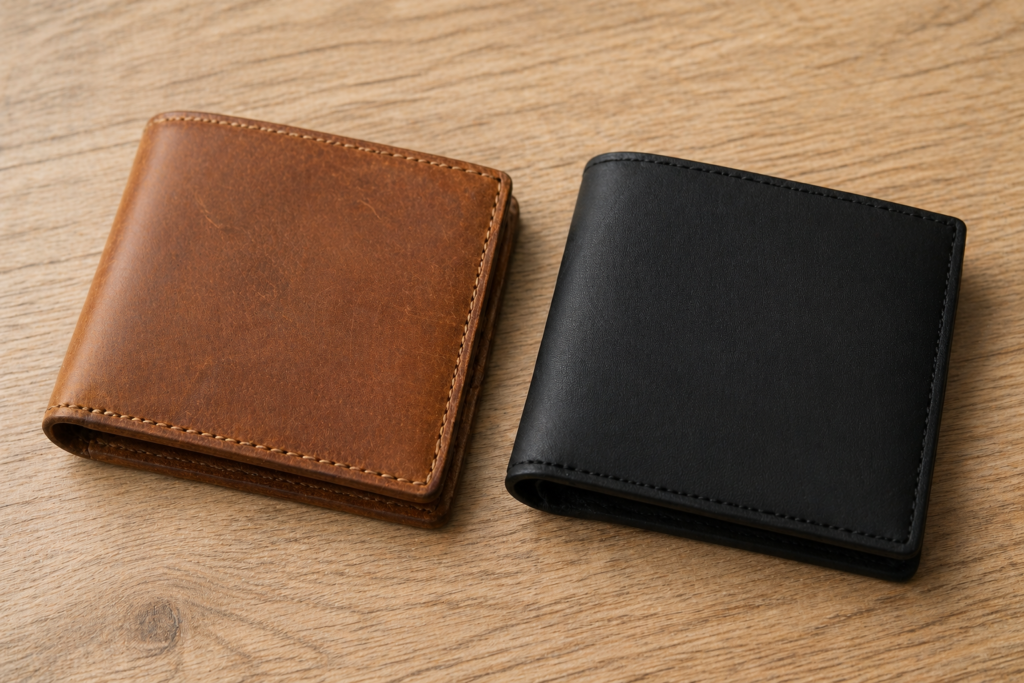
Pros and Cons of Vegan Leather
Pros of Vegan Leather
- Cruelty-free – no animals harmed in production
- More affordable than genuine leather in most cases
- Wide variety of styles, textures, and colors
- Low maintenance – doesn’t need conditioning
- Water-resistant by default in most types
- Plant-based options are increasingly biodegradable
- Improving rapidly – innovation is accelerating every year
Cons of Vegan Leather
- Lower breathability compared to real leather
- Shorter lifespan in budget versions
- PVC-based types have a real environmental cost
- Less natural aging – doesn’t develop patina over time
- Greenwashing risk – some brands overstate eco claims
- Texture variety still slightly narrower at budget price
How to Start Choosing Vegan Leather the Smart Way
Ready to make a smarter choice? Here’s how to do it right:
- Check the material label. Look for PU leather, Piñatex, Mylo, Desserto, or apple leather. Avoid PVC if eco-impact matters to you.
- Research the brand. Brands that are transparent about materials and production are almost always more trustworthy.
- Set a realistic budget. Budget vegan leather (under $20) will disappoint. Mid-range ($40-$100) is where quality starts.
- Read real reviews. Look for long-term reviews – 6 months or more. Short-term reviews don’t reveal durability.
- Start small. Try a belt or wallet before committing to a full jacket or bag.
- Learn care instructions. Even vegan leather lasts longer with simple care – a damp cloth and mild cleaner is usually enough.
For more practical guides on smart buying decisions in the digital age, check out NextGenDecode.in – we cover tech, trends, and smart lifestyle choices in one place.

Final Thoughts on Vegan Leather Myths
The biggest takeaway here is simple: vegan leather myths are outdated. They were formed years ago based on the quality of early faux leather products – before the material science caught up.
Here’s a quick recap of what we covered:
- Quality vegan leather exists and rivals real leather at premium price points
- Durability depends on material and brand, not category
- Plant-based leather is genuinely not made from plastic
- Modern vegan leather looks convincingly real
- The eco picture is nuanced – but plant-based options win on most metrics
- Real leather is not “always better” – it depends entirely on your priorities
If you’re curious, just try one vegan leather product with a fair budget and a decent brand. Judge it for yourself. The material has come a long way – and the facts back that up.
Frequently Asked Questions About Vegan Leather Myths
Q1: Is vegan leather really durable?
Yes, it can be – but quality varies widely. High-end PU leather and plant-based alternatives like cactus or mushroom leather can last 5-10 years with basic care. Budget versions made from thin PVC will wear out faster. The key is choosing reputable brands and understanding what the material actually is before buying.
Q2: What is vegan leather actually made of?
Vegan leather isn’t just one material. It includes PU leather, PVC leather, and a growing range of plant-based options made from cactus, apple peels, grape skins, mushroom mycelium, and pineapple leaves. Each has different durability, feel, and environmental impact. The newer plant-based types are the most sustainable and innovative.
Q3: Is vegan leather better for the environment?
It depends on the type. PVC vegan leather is petroleum-based and not biodegradable, so its eco score is low. Plant-based vegan leather alternatives score much better – they use less water, involve no toxic tanning chemicals, and some are fully biodegradable. Compared to traditional animal leather (which involves livestock farming and chrome tanning), many vegan options come out ahead.
Q4: Can vegan leather look as good as real leather?
Absolutely. Premium vegan leather products today are virtually indistinguishable from genuine leather by appearance alone. Advanced embossing and finishing techniques replicate grain patterns, depth, and color range with impressive accuracy. Even fashion professionals have commented on how difficult it is to tell the difference in high-quality pieces.
Q5: Are all vegan leather brands eco-friendly?
No, and this is important to know. Some brands use the label “vegan leather” purely for ethical marketing but still use PVC or other non-sustainable plastics. Always check the specific material. Look for certifications or transparency reports. Brands using Piñatex, Mylo, or Desserto materials are generally more legitimately eco-conscious than those simply selling PVC goods with green branding.