
Table of Contents
Introduction to China Manufacturing Power and Supply Chain Challenges
America’s relationship with China manufacturing power has become one of the most critical economic questions of our time. Every smartphone, every piece of clothing, every medical device we use carries traces of this complex relationship. The reality is stark: China doesn’t just manufacture goods. It manufactures the future of global trade itself.
From supply chain disruptions during the pandemic to heated trade negotiations, the dependency Americans have on China manufacturing power supply chain systems has exposed serious vulnerabilities. Businesses scramble to find alternatives. Policymakers debate tariffs and regulations. Consumers feel the impact in their wallets. Yet most people don’t understand why this happened or what it means for the future.
This guide reveals 5 critical secrets behind China manufacturing power. You’ll discover how this dominance developed, why America became dependent, and most importantly, what practical steps businesses and individuals can take today.
The Rise of China Manufacturing Power in Global Trade
Historical Timeline of China Manufacturing Growth
The China manufacturing power story didn’t happen overnight. It’s a carefully orchestrated transformation spanning decades.
In the 1980s, China opened its economy to foreign investment. Coastal cities became manufacturing hubs. Factories multiplied like never before. By 2001, China joined the World Trade Organization, legitimizing its place in global commerce. This moment proved pivotal.
Fast forward to today. China manufactures 28% of global goods. That’s not just dominance. That’s structural control.
The secret lies in three factors: labor cost advantages (historically), strategic government investment in infrastructure, and vertical integration of supply chains. China didn’t just build factories. It built entire ecosystems where raw materials flow in, products flow out, and profit margins stay competitive.
How China Manufacturing Power Dominates Exports
Think about the last item you purchased online. The odds it touched Chinese manufacturing are overwhelming.
China manufacturing power creates approximately 1.4 billion tons of goods annually. That’s roughly 200 items per person globally. The efficiency is remarkable. The coordination is seamless. Companies can source components from dozens of suppliers within a single country, manage quality, and ship globally in weeks.
This consolidation creates what economists call “sticky” supply chains. Once companies embed themselves in Chinese manufacturing networks, switching is expensive and complicated.
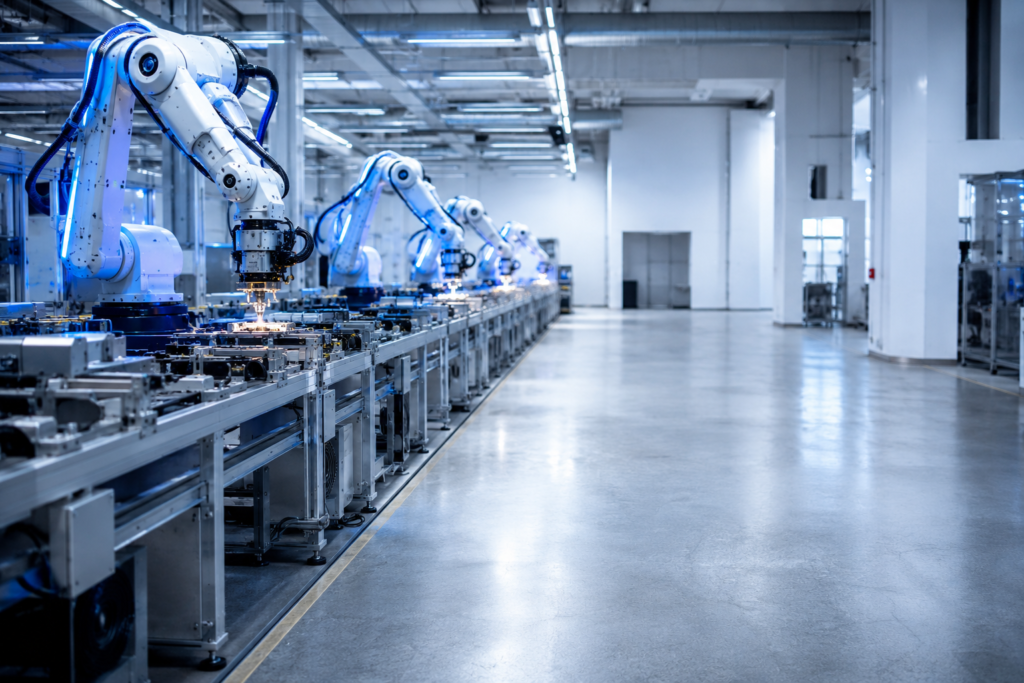
Why America Depends on China Manufacturing Power
The Cost of Supply Chain Disruption
Here’s a uncomfortable truth: America’s dependence on China manufacturing power supply chain systems wasn’t forced. It was chosen.
In the 1990s and 2000s, American companies discovered something revolutionary: manufacturing in China cost 40-60% less than domestic production. Quarterly earnings improved. Stock prices climbed. Shareholders celebrated.
The financial logic was irresistible. Why pay American workers $15-25 per hour when Chinese workers earned $2-5? Why invest in domestic infrastructure when Chinese governments subsidized factories?
Over 20 years, American manufacturing capacity eroded. Factories closed. Workers retrained. Communities struggled. But corporations thrived. This wasn’t malicious. This was rational economic behavior by companies optimizing for short-term shareholder value.
Now America faces a crisis. Roughly 80% of critical pharmaceutical ingredients come from China or India. Electronics manufacturing is 90% China-dependent. Rare earth minerals, textiles, steel components—all flow through China manufacturing power networks.
Technology and Innovation Advantages
China manufacturing power isn’t just about cheap labor anymore. That advantage has eroded as wages rose. Today it’s about something deeper: integrated supply chain technology.
Chinese manufacturers invested heavily in automation, AI-driven quality control, and just-in-time logistics systems. They built digital platforms connecting thousands of suppliers. They created data systems tracking components through entire production chains in real-time.
American companies built scattered, disconnected suppliers across multiple countries. Coordination is complex. Visibility is limited. Costs are higher.
This technological gap widened throughout the 2010s. Now China manufactures with precision and efficiency that American competitors can’t match, even at higher labor costs.

Supply Chain Vulnerabilities and Economic Risks
The pandemic exposed what many suspected: concentrated supply chains break easily.
When COVID-19 hit China in early 2020, factories shuttered for weeks. American companies scrambled. Hospital systems ran short of PPE. Auto manufacturers couldn’t get semiconductors. Retailers couldn’t stock shelves. The economic impact exceeded $5 trillion globally.
Here’s the dangerous part: China manufacturing power supply chain concentration means one disruption cascades globally. A single port closure. A factory fire. Political tensions. Each creates weeks of delays and billions in lost output.
Companies face real dilemmas:
Semiconductor chips: Taiwan and South Korea manufacture 80% globally, with production capacity concentrated in just a few facilities.
Medical devices: Complex assemblies require multi-step production across different suppliers, many in China.
Automotive components: Modern vehicles contain 30,000+ parts from hundreds of suppliers, often single-sourced.
This creates what economists call “systemic risk.” The entire system becomes fragile, even if individual companies are financially healthy.
Breaking Free: Diversification and Strategic Solutions
Finding Alternative Suppliers
The path forward isn’t to eliminate China entirely. It’s to diversify.
India, Vietnam, Thailand, Indonesia, and Mexico are developing manufacturing capabilities. None match China’s scale yet. But they offer options.
Smart companies pursue “China-plus-one” strategies: maintain China manufacturing while developing backup suppliers elsewhere. This costs more. It’s less efficient. But it’s less risky.
Governments increasingly encourage this shift. The U.S. CHIPS Act invests $52 billion in domestic semiconductor manufacturing. The EU is reshoring production. Japan incentivizes companies to leave China.
These aren’t protectionist measures. They’re resilience investments.
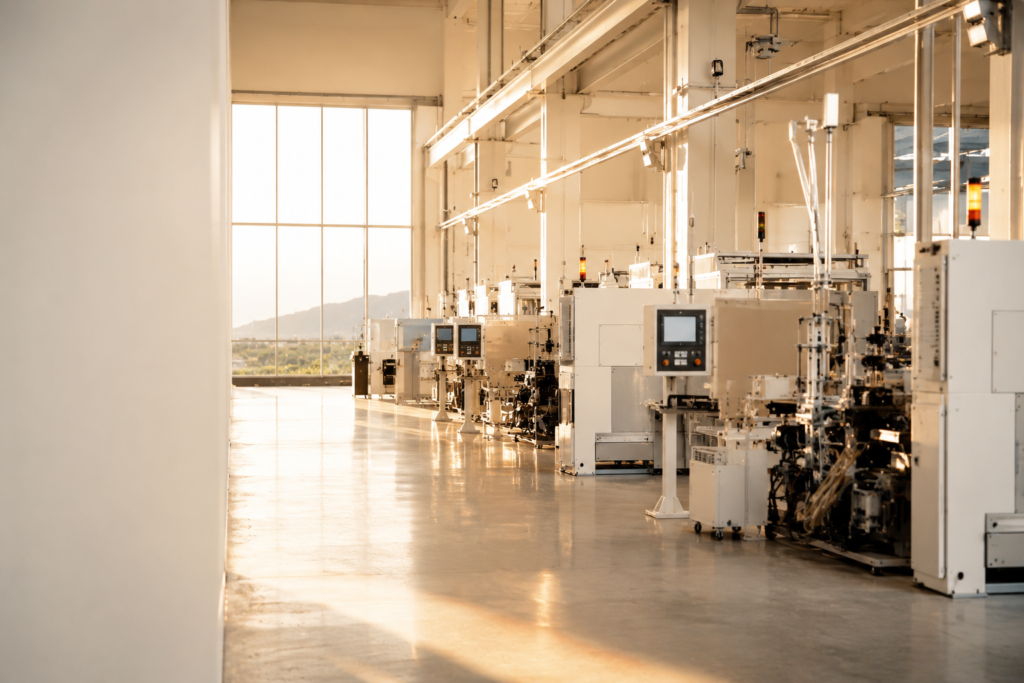
Comparison: America vs. China Manufacturing Capabilities
| Aspect | America Manufacturing | China Manufacturing |
|---|---|---|
| Production capacity | 12% of global manufacturing | 28% of global manufacturing |
| Labor costs | $20-35 per hour | $4-8 per hour (rising) |
| Supply chain integration | Fragmented across regions | Highly integrated vertical chains |
| Technology automation | Growing but inconsistent | Advanced automation, AI-driven |
| Regulatory environment | Strict environmental and labor standards | Less stringent, improving |
| Innovation speed | Slower from concept to market | Rapid prototyping and scaling |
| Infrastructure maturity | Mature but aging | Modern, continuously upgraded |
| Government support | Limited, policy-dependent | Substantial strategic investment |
| Quality consistency | High in specialized sectors | High across most industries |
| Geopolitical risk | Low | Moderate to high |
Pros and Cons of Current Supply Chain Dependencies
The Real Trade-offs
| Pros | Cons |
|---|---|
| Lower consumer prices through cost efficiency | Economic vulnerability to disruptions |
| Rapid product innovation and scaling | Job losses in American manufacturing |
| Access to diverse manufactured goods | Geopolitical leverage and trade wars |
| Corporate profit optimization | Quality control and safety concerns |
Detailed Pros:
- Lower consumer prices through cost efficiency – The average American family saves hundreds annually on goods manufactured in China. Cheap electronics, clothing, and household items became accessible to middle-class Americans because of cost advantages.
- Rapid product innovation and scaling – Companies can test new products in Chinese factories and scale to millions of units within months. This speed accelerated global innovation in consumer electronics, fashion, and technology sectors.
- Access to diverse manufactured goods – Complete supply chains exist in Chinese manufacturing hubs. Companies can source raw materials, components, and finished goods from single geographic locations, simplifying logistics.
- Corporate profit optimization – Higher margins and strong shareholder returns made American companies globally competitive. These profits funded research, development, and employee benefits in high-wage sectors.
Detailed Cons:
- Economic vulnerability to disruptions – Single-point-of-failure risks mean pandemic lockdowns, natural disasters, or political tensions can halt entire industries. 2020 proved this painfully.
- Job losses in American manufacturing – Approximately 3.7 million manufacturing jobs disappeared between 2000-2020. Communities dependent on factories faced economic collapse and social challenges that persist today.
- Geopolitical leverage and trade wars – China gained bargaining power to influence American policy. Trade restrictions, tariffs, and retaliatory measures cost American businesses and consumers billions annually.
- Quality control and safety concerns – Distance and complexity created quality challenges. Contaminated products, intellectual property theft, and counterfeit goods emerged as persistent problems.
How to Adapt: Practical Steps for Businesses
If you run a business depending on China manufacturing power, here’s your action plan:
Step 1: Audit Your Supply Chain Map every supplier. Identify single-point-of-failure risks. Understand which components are truly critical versus easily replaceable.
Step 2: Develop Redundancy Strategically Identify 1-2 backup suppliers for critical components. This isn’t about abandoning China manufacturing. It’s about smart risk management. Consider India, Vietnam, or Mexico based on your product type.
Step 3: Invest in Quality Control Implement third-party inspection in China and alternative suppliers. Real-time monitoring systems track components through entire supply chains.
Step 4: Engage with Reshoring Programs Research government incentives in your country or region. The CHIPS Act, regional trade agreements, and tax incentives can offset higher domestic costs.
Step 5: Build Supplier Relationships Visit facilities in person. Develop genuine partnerships, not transactional relationships. Suppliers who feel valued are more responsive during crises.
For more comprehensive strategies on supply chain resilience and risk management, explore our detailed guide at https://nextgendecode.in/

Conclusion: The Future of Supply Chain Independence
China manufacturing power will remain significant for decades. The real story isn’t about eliminating this relationship. It’s about building resilience, independence, and strategic flexibility.
America’s challenge isn’t competing with China on cost. It’s innovating faster, building better quality, and creating supply chain systems that survive disruptions.
The transformation is already happening. Companies are reshoring production. Governments are investing in domestic manufacturing. Technology is making higher-wage manufacturing economically viable through automation.
This shift won’t be quick. It won’t be painless. But it’s necessary.
Your actionable takeaway: If you operate a business dependent on China manufacturing power, start your supply chain audit this week. Not next quarter. This week. Identify three critical components requiring backup suppliers. Build those relationships now, before the next crisis forces you to act desperately.
The companies that thrive over the next decade won’t be those clinging to old supply chain models. They’ll be the ones embracing strategic diversity, investing in resilience, and treating supply chain security as a competitive advantage, not a cost center.
The future of manufacturing isn’t about one superpower. It’s about intelligent distribution of risk across multiple trusted partners. That future is being built right now.
FAQ: Understanding China Manufacturing Power
What percentage of American goods are manufactured in China?
Approximately 40-50% of consumer goods sold in America contain components manufactured in China. When you include finished goods, that percentage rises significantly depending on product category. Electronics exceed 80% China manufacturing. Textiles approach 70%. Even goods “made in America” often contain Chinese-sourced components, making true domesticity nearly impossible.
Could America replace China manufacturing completely?
Realistically, no. Not for decades. American labor costs, regulatory requirements, and lack of integrated supply chain infrastructure make complete replacement economically unfeasible. The solution is strategic diversification combined with targeted reshoring of critical industries, not wholesale replacement.
How does China maintain manufacturing power advantages?
China maintains advantages through government subsidies, infrastructure investment, technological capabilities, and integrated supply chains. Labor costs alone don’t explain it anymore. Automation and logistics efficiency matter equally. Additionally, Chinese manufacturers have 30+ years of experience optimizing production at massive scale.
What’s the long-term impact on American consumers?
In the short term, reduced China manufacturing could increase prices 5-15% on consumer goods. Long-term, diversified supply chains create price stability and reduce disruption risks. This trade-off—slightly higher prices for greater security and resilience—increasingly appeals to policymakers and consumers alike.
Can businesses thrive using only American manufacturing?
Some can, particularly in specialized sectors with high margins (aerospace, medical devices, premium goods). Most cannot. The solution isn’t all-American. It’s “best country for each component,” which frequently includes China, Vietnam, Mexico, and others in balanced combinations.