
Table of Contents
Introduction
Have you ever walked into a luxury store and instantly felt underdressed or financially small? That feeling is not accidental. Luxury marketing psychology is designed to create aspiration, exclusivity, and emotional desire.
Brands like Rolex, Louis Vuitton, and even globally respected Indian companies like Tata Group understand how emotions influence spending. They do not simply sell products. Instead, they sell status, identity, and belonging.
As a result, people often buy luxury items to feel successful, respected, or socially elevated. Understanding these tactics helps consumers make smarter choices while teaching businesses how premium branding truly works.
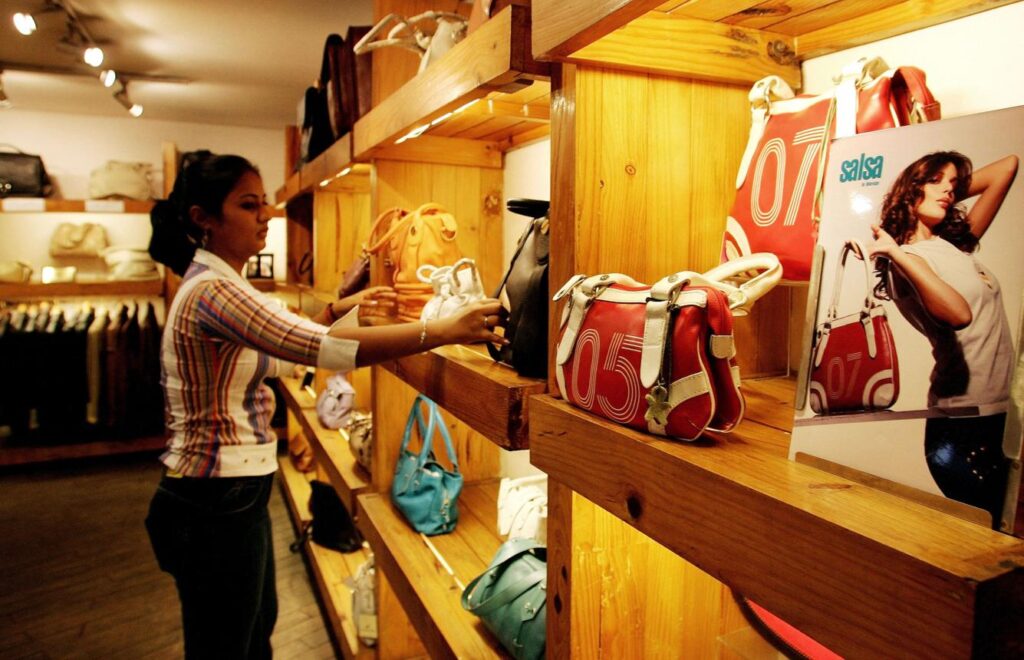
How Luxury Marketing Psychology Creates Desire
The Power of Exclusivity
Luxury brands intentionally stay less accessible. Limited collections, private launches, and high pricing create emotional distance. This makes products feel rare and desirable.
For example, Hermès famously limits access to certain handbags. Consequently, customers feel privileged when they finally own one.
According to Investopedia, luxury demand can increase when prices rise because exclusivity becomes more attractive.
Why People Buy Status Instead of Products
Most luxury purchases are emotional, not practical. A premium watch and a regular watch both show time. However, one communicates wealth and prestige.
This is where luxury marketing psychology becomes powerful. Brands connect products with achievement, ambition, and social identity.
Luxury Marketing Psychology Inside Rolex Campaigns
Rolex rarely advertises technical features aggressively. Instead, its campaigns show elite athletes, successful entrepreneurs, and global achievers.
That subtle association tells consumers one thing: successful people wear Rolex.
Why Indian Luxury Brands Are Winning Globally
India now has several globally respected premium brands with strong goodwill.
Tata, Forest Essentials, and Global Trust
Tata Group built trust through consistency and credibility across industries. Although Tata is not a traditional luxury fashion brand, its premium reputation is globally respected.
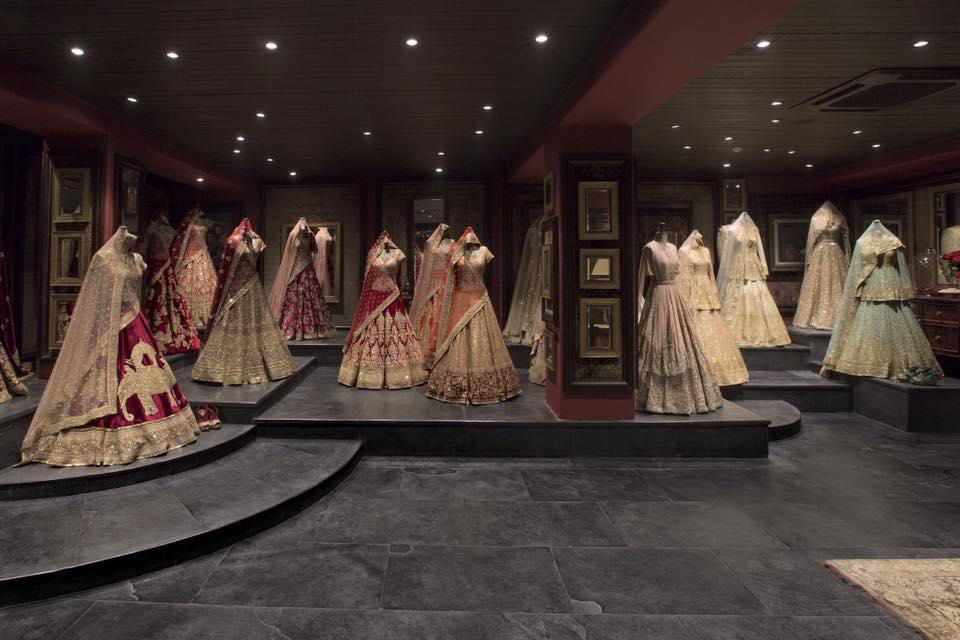
Meanwhile, Forest Essentials positioned Ayurveda as a luxury wellness experience. Its packaging, storytelling, and retail design create premium emotional value.
Other Indian brands gaining global recognition include:
• Sabyasachi
• Titan
• Amrapali Jewels
These companies combine heritage with modern branding.
Luxury Marketing Psychology and Social Status
Luxury products often become social signals.
People naturally compare lifestyles online and offline. Therefore, owning luxury products creates perceived social elevation.
How Louis Vuitton Creates Emotional Value
Louis Vuitton invests heavily in storytelling, celebrity collaborations, and visual identity.
The company does not sell bags alone. Instead, it sells aspiration and exclusivity.
According to Forbes, emotional branding significantly increases long term customer loyalty because consumers feel emotionally connected to premium brands.
How Scarcity Makes Products More Valuable
Why Scarcity Increases Demand
Humans naturally value rare things more highly.
Luxury brands use:
• Waiting lists
• Limited editions
• Invite only launches
• Seasonal exclusivity
• Premium packaging
This strategy strengthens luxury marketing psychology because scarcity creates urgency and emotional attachment.
For instance, certain Rolex models have long waiting periods. Ironically, that delay increases demand further.
Emotional Branding Used by Premium Companies
Luxury companies carefully control every customer interaction.
This includes:
• Store design
• Product packaging
• Background music
• Lighting
• Celebrity associations
• Customer service tone
Even small details shape perception.
How Small Brands Can Use Luxury Positioning
You do not need billion dollar budgets to create premium branding.
Small businesses can:
- Improve packaging quality
- Use consistent visual identity
- Focus on storytelling
- Create limited collections
- Build community trust
- Maintain premium customer experience
You can also learn more branding strategies at
NextGenDecode
Comparison Table
| Feature | Luxury Brands | Regular Brands |
|---|---|---|
| Pricing Strategy | Premium pricing | Competitive pricing |
| Customer Emotion | Status and aspiration | Functionality |
| Availability | Limited access | Widely available |
| Packaging | Premium experience | Practical packaging |
| Advertising | Emotional storytelling | Product focused |
| Brand Identity | Exclusive | Mass market |
| Consumer Goal | Social prestige | Utility |
Pros and Cons
Pros
• Strong customer loyalty
• Higher profit margins
• Premium brand perception
• Emotional customer connection
• Global prestige opportunities
Cons
• Smaller customer base
• High expectations from buyers
• Expensive branding investments
• Risk of appearing elitist
• Difficult to maintain exclusivity
Practical Guide to Build Premium Branding
If you want to apply luxury marketing psychology in business, start with these steps:
• Create a strong visual identity
• Focus on customer experience
• Use storytelling consistently
• Avoid excessive discounting
• Maintain product quality
• Build trust through consistency
• Use scarcity strategically
• Invest in premium photography
• Develop emotional positioning
You can explore more branding and marketing insights at
NextGenDecode
Conclusion
Luxury brands succeed because they understand human emotions deeply. They know people often buy feelings before products.
From Rolex to Forest Essentials, successful premium companies combine exclusivity, storytelling, scarcity, and emotional branding to shape perception globally.
The biggest lesson is simple: premium branding is not about expensive products alone. It is about creating meaning, identity, and trust around what you sell.

FAQ Section
Is Luxury Marketing Psychology Ethical?
It depends on how brands use it. Emotional branding itself is not unethical. However, manipulating insecurity excessively can create unhealthy consumer pressure.
Why Do Luxury Brands Use Waiting Lists?
Waiting lists increase exclusivity and demand. Consumers perceive rare products as more valuable and prestigious.
Which Indian Luxury Brands Have Global Goodwill?
Brands like Tata Group, Sabyasachi, Forest Essentials, Titan, and Amrapali Jewels are globally respected.
Can Small Businesses Apply Luxury Branding?
Yes. Small businesses can use premium positioning through storytelling, customer experience, visual identity, and scarcity strategies.