
Table of Contents
Introduction
You’ve seen it before. A grown man cries when his Tesla gets updated. A runner kisses her swoosh before a marathon. A rider drives 3,000 miles just to sit with strangers who wear the same leather patch. It’s not just brand loyalty. It’s something deeper. The brand religion phenomenon explains why certain brands become objects of genuine devotion, rituals, and identity.
In this post, I’ll break down exactly how Nike, Tesla, and Harley-Davidson built communities that feel more like faith than commerce. By the time you finish reading, you’ll have 6 smart insights you can use to turn your own customers into lifelong believers. No jargon. No theory. Just what works.
What Is the Brand Religion Phenomenon?
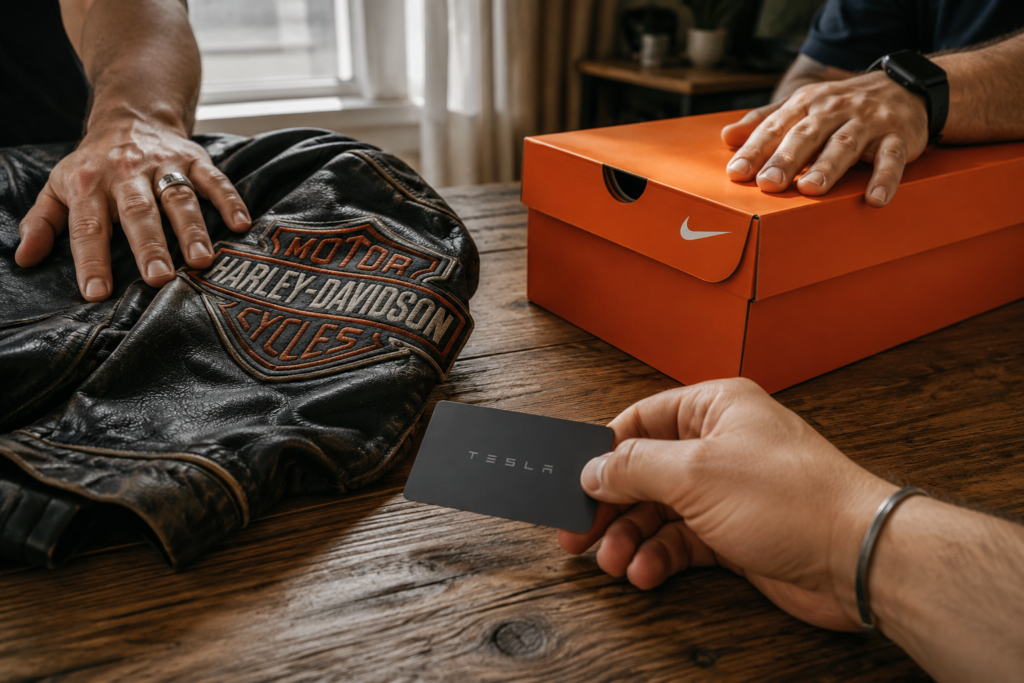
The brand religion phenomenon is what happens when customers stop seeing a brand as a choice and start seeing it as a part of who they are. It goes beyond repeat purchases. People defend the brand, preach about it, and gather around it like a community of believers.
Think of it this way. Religions have symbols, stories, rituals, enemies, and a sense of belonging. So do the most powerful brands. When a company manages to trigger those same emotional and social drivers, a customer transforms into a follower. This isn’t about manipulation. It’s about human nature.
6 Smart Insights Into Why Some Brands Become Religions
These six elements separate brands that people buy from brands that people belong to.
Shared Identity as the Core Glue
People join communities to say “this is who I am.” Nike doesn’t sell shoes. Nike sells the identity of an athlete. Even if you never run a race, wearing a swoosh makes you feel like part of a tribe of winners. That’s a psychological anchor.
Rituals That Strengthen the Brand Religion Phenomenon
Rituals create meaning. Every Sunday, thousands of runners gather for Nike Run Club sessions around the world. It’s not about the miles. It’s about showing up, sharing the struggle, and celebrating together. Rituals make the brand a living habit, not a logo.
The Power of Us vs. Them
Every strong community needs an “other.” For Tesla owners, the enemy is the legacy auto industry and fossil fuels. For Harley riders, it’s conformity and “cagers” (car drivers). This friendly opposition fuels passion and deepens bonds.
Iconic Symbolism That Transcends Products
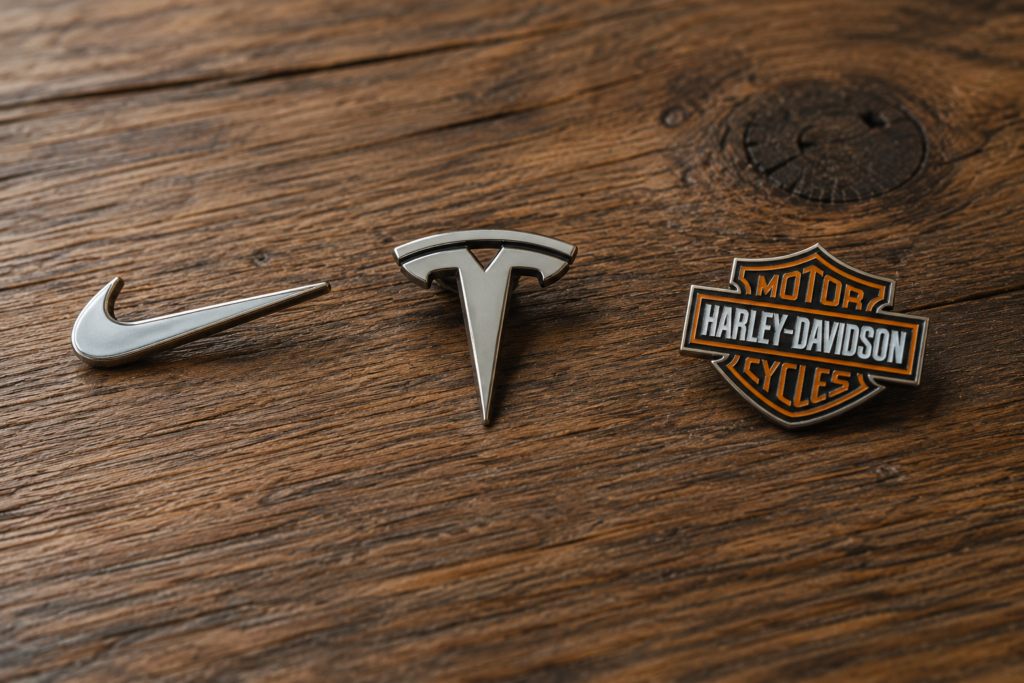
The Nike Swoosh, the Tesla T, the Harley bar and shield. These symbols carry stories. They become shorthand for a lifestyle. You can spot a Harley patch from across the street and instantly know something about that person’s values.
Community Belonging Over Features
No one buys a Tesla just for 0-60 times. They buy into the mission of sustainable energy and the feeling of being an early adopter in a global club. The product is secondary. The community is the real product.
Evangelism: When Customers Become Missionaries
Satisfied customers leave reviews. Devoted customers recruit. Harley owners literally pull strangers into dealerships. Tesla famously spends zero dollars on advertising because owners do the marketing for free. That’s the brand religion phenomenon in full effect.
How Nike Built a Religious Community
Nike mastered the art of making everyone feel like an athlete. That’s a powerful identity.
The Swoosh as a Sacred Symbol
The swoosh is one of the most recognized symbols on earth. It doesn’t need words. It whispers excellence, effort, and victory. People tattoo it, wear it on their wedding day, and feel a genuine emotional charge when they unbox new kicks.
Nike Run Club as Weekly Worship
Nike Run Club didn’t just create an app. It created a global gathering. Weekly runs feel like church service. Same time, same place, same shared purpose. The ritual turns a solo activity into a collective experience that reinforces loyalty at a cellular level.
Tesla’s Cult-Like Following Explained
Tesla’s community feels like a tech religion, with Elon Musk as its prophet.
The Elon Musk Effect
Love him or hate him, Musk has built a persona that fans treat like a visionary leader. This gives the brand a human face and a narrative. Followers feel they are part of a revolution, not just a transaction.
Tesla Owner Rituals and Meetups
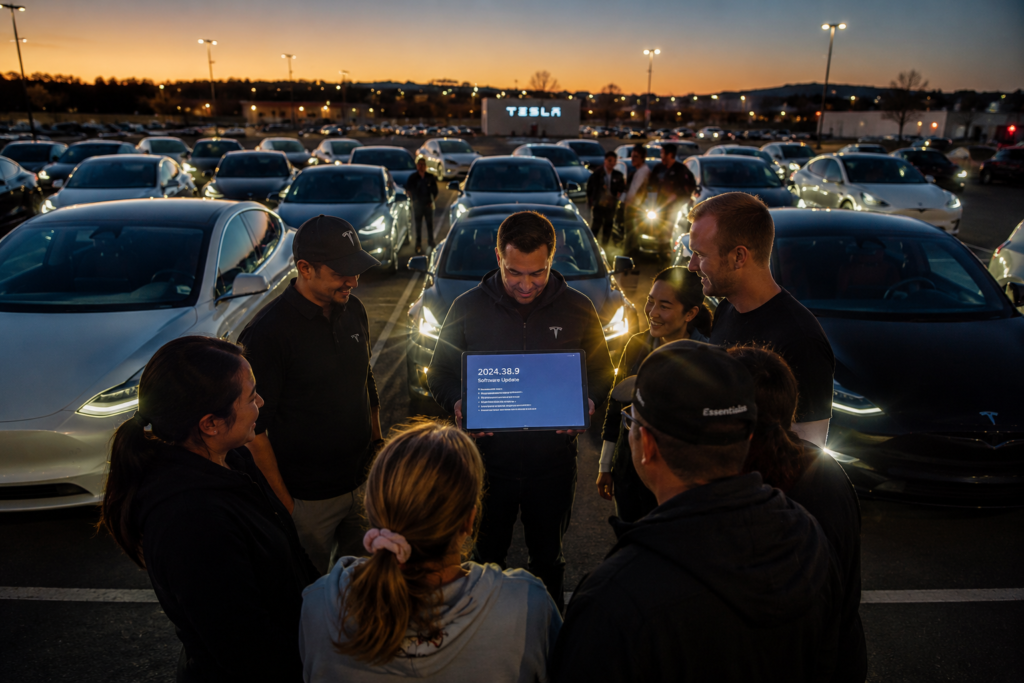
Owners gather for “Tesla Takeover” events, share software update excitement like kids on Christmas, and flash lights at each other on highways. These micro-rituals create a sense of insider belonging that money can’t buy.
Harley-Davidson’s Brotherhood Brand Religion Phenomenon
Harley doesn’t sell motorcycles. Harley sells freedom and brotherhood.
Harley Owners Group (H.O.G.)
H.O.G. is more than a loyalty program. It’s a structured community with chapters, officers, and events. Members have a deep sense of responsibility toward one another. This formal organization turns casual buyers into life-long family.
The Sturgis Rally Pilgrimage
Every year, half a million riders flock to Sturgis, South Dakota. It’s a pilgrimage. Riders plan for months, ride cross-country, and treat the event as a spiritual recharge. The journey is the ritual, and the destination is home.
Comparison Table: Nike vs Tesla vs Harley-Davidson
| Element | Nike | Tesla | Harley-Davidson |
|---|---|---|---|
| Core Identity | Athlete / Winner | Innovator / Earth-saver | Rebel / Free spirit |
| Sacred Symbol | Swoosh | Tesla T | Bar and Shield |
| Main Ritual | Run Club & shoe drops | Software updates & meetups | Group rides & Sturgis |
| Evangelism | Word of mouth, athlete influence | Owner referral, zero ad spend | H.O.G. recruitment |
| Shared Enemy | Laziness, mediocrity | Fossil fuel industry, old auto | Conformity, cages |
| Belonging Vehicle | Digital apps & events | Owner clubs, referrals | H.O.G. chapters |
Pros and Cons of the Brand Religion Phenomenon
Pros
• Creates unshakeable loyalty that survives price hikes and competition.
• Generates free word-of-mouth marketing and organic social proof.
• Forms a protective community moat hard for rivals to copy.
• Deepens emotional connection, leading to higher lifetime value.
Cons
• Can breed toxic fandom that attacks critics.
• Over-reliance on a founder figure becomes risky if reputation falls.
• Makes pivoting or updating the brand identity very difficult.
• New customers may feel excluded if the community feels closed off.
How to Build Your Own Brand Religion (Practical Guide)
You don’t need a billion-dollar budget. Start with these actions.
• Define a clear shared identity that your audience already wants to belong to.
• Create a simple ritual people can repeat together (weekly live stream, challenge, meetup).
• Develop visual symbols that carry meaning beyond the product.
• Identify a friendly “enemy” or counterculture to unite against.
• Empower early followers to become leaders and evangelists.
• Stay consistent. Religions aren’t built overnight, and neither is a cult brand.
For deeper step-by-step strategies on building digital communities that last, check out our resources at NextGenDecode. You’ll find free frameworks and real-world playbooks.
Conclusion
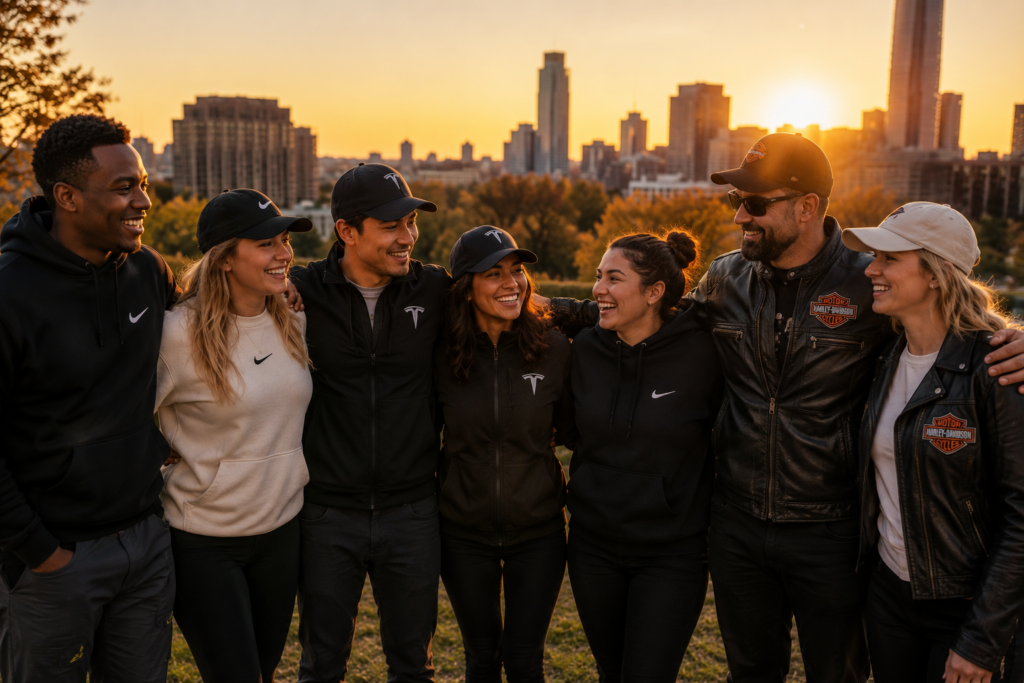
The brand religion phenomenon isn’t about tricking people. It’s about giving them a place to belong, a story to believe in, and people to share it with. Nike, Tesla, and Harley-Davidson proved that when you build for the heart, not just the wallet, you don’t just make customers you make followers for life.
The question is, what will your brand’s religion look like? Start small, stay real, and watch your community turn into something far bigger than a business.
Frequently Asked Questions
Question 1: What makes a brand feel like a religion?
It’s the combination of shared identity, rituals, symbols, an “us vs. them” feeling, and a sense of belonging. When a brand satisfies these human needs, it becomes a community of belief rather than a transactional choice.
Question 2: Can small brands build the brand religion phenomenon?
Absolutely. You don’t need a massive budget. Start by clearly defining the identity you invite people into, then create repeatable experiences (virtual or physical) that bond people together. Small cult-like followings often grow into mainstream movements.
Question 3: Is the brand religion phenomenon always positive?
Not always. It can lead to toxic defense of a brand and blind loyalty. However, when guided ethically, it creates deep, meaningful relationships that benefit both customers and the business.
Question 4: How do I start creating a community like Tesla or Harley-Davidson?
Begin with your most passionate existing customers. Give them a name, a shared purpose, and a way to connect with one another. Nurture them, listen deeply, and let them shape the culture. The rest grows organically.