
Introduction
A few months ago, I was scrolling through Instagram and stopped dead on a post. The photo was stunning perfect lighting, flawless skin, a gorgeous outfit. The caption felt real. The comments were full of fans saying “goals.”
Then I read the bio. “100% virtual. Not human.”
I actually laughed out loud. And then I went down a rabbit hole that lasted two hours.
AI influencers for brands are not some distant sci-fi concept anymore. They’re here, they’re active, and some of them have millions of followers. Companies like Samsung, Calvin Klein, and BMW have already worked with virtual influencers. And honestly? The results are impressive.
So what’s really going on here? Why are brands ditching real human influencers and replacing them with computer-generated avatars? That’s exactly what this post breaks down simply and honestly.
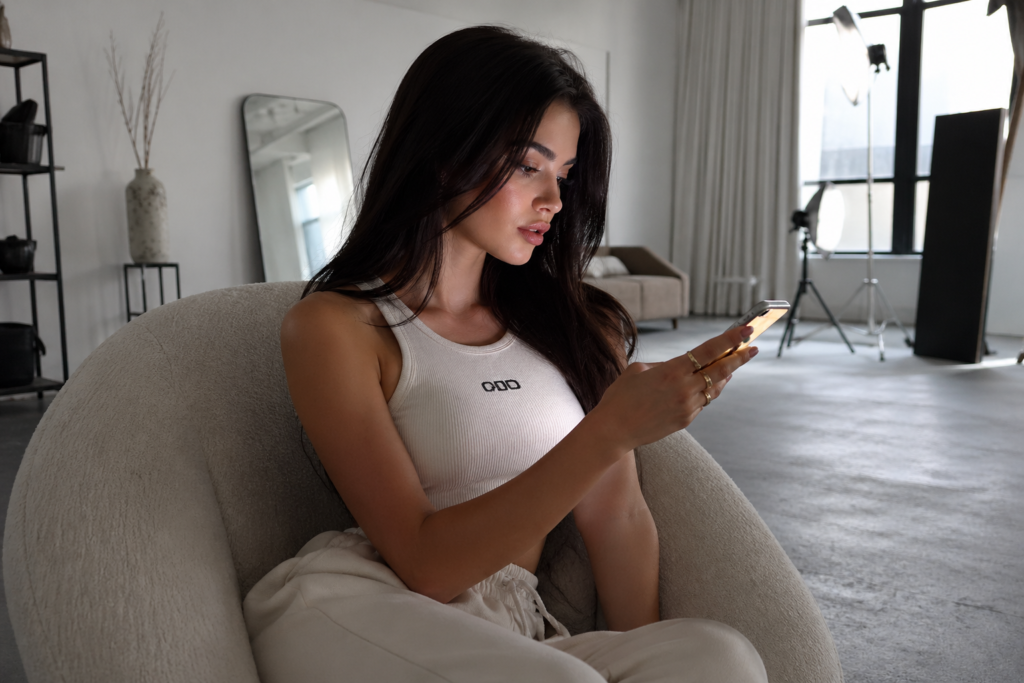
Table of Contents
What Are AI Influencers, Exactly?
An AI influencer is a digitally created character built using CGI, machine learning, or generative AI that posts content on social media just like a real person would.
They have names, personalities, backstories, and aesthetics. Some of them even have “opinions” on fashion, food, or politics.
The most famous example is Lil Miquela, a virtual influencer created by the LA-based startup Brud. She has over 2.5 million Instagram followers and has collaborated with brands like Prada and Calvin Klein. She looks real. She acts real. But she isn’t.
Other notable AI influencers include Imma (Japan), Shudu (called the world’s first digital supermodel), and Rozy from South Korea.
These aren’t just pretty faces. They’re marketing machines and brands are waking up to that fast.

How AI Influencers for Brands Actually Work
Here’s the basic process it’s simpler than you’d think.
A brand either creates their own AI influencer from scratch (expensive but fully controlled) or partners with an existing virtual influencer through their management agency (more common and faster).
Once the character exists:
- The brand’s creative team decides on content direction
- Designers generate images or videos using CGI tools or AI platforms
- Captions and engagement are either scripted by humans or AI-assisted
- Posts go live just like any normal influencer campaign
The key difference? No human on the other end. No mood swings, no late deliverables, no reputation crises at 2am. Just consistent, on-brand content that goes live exactly when you want it.
According to Forbes, virtual influencers can generate up to 3x more engagement than human influencers in certain niches especially fashion, tech, and beauty.
The 6 Powerful Ways Brands Use AI Influencers
1. Total Brand Control at All Times
With a real influencer, you give up some control. They have their own image, their own opinions. One bad tweet and your brand is dragged into it.
AI influencers give brands 100% control. The character only says what the brand approves. Their visual style stays consistent across every single post. No surprises.
2. Massive Cost Savings Over Time
Hiring top human influencers is expensive. A single Instagram post from a macro-influencer can cost $10,000–$50,000+. Add travel, contracts, content revision fees, and it balloons fast.
An AI influencer, once created, can produce unlimited content at a fraction of that cost. The upfront investment is real but the long-term savings are significant.
3. Always Available, Always On-Brand
Human influencers get sick. They go on vacation. They take breaks. AI influencers never do.
Brands can schedule campaigns across time zones, holidays, and product launches without worrying about availability. The content pipeline stays open 24/7.
4. AI Influencers for Brands Going Global
This is a smart one. An AI character can be visually adapted for different markets. Change the aesthetic slightly, localize the language, adjust the style and you have a campaign that feels local in every country.
Real influencers are tied to their identity and culture. AI influencers are flexible enough to be globally scalable without starting from scratch each time.
5. Zero Scandal Risk
This might be the biggest reason brands are switching. Human influencers can (and do) get into controversies and they take the brand down with them.
AI influencers have no personal life. No hidden opinions. No drunk stories to surface years later. The brand’s reputation stays clean because the “person” representing it literally doesn’t exist outside the campaign.
6. Data-Driven Personality Optimization
Here’s where it gets really interesting. AI influencers can be adjusted based on performance data.
If a certain visual style gets 30% more saves, the team updates the character’s look. If a posting tone generates better comments, the AI’s “personality” shifts. Everything is optimized in real time something no human influencer can offer.
AI Influencers vs. Real Influencers: A Comparison
| Feature | AI Influencer | Real Human Influencer |
|---|---|---|
| Brand Control | Total control | Limited |
| Cost (Long-term) | Lower | High per post |
| Authenticity | Perceived lower | High |
| Scandal Risk | None | High risk |
| Audience Trust | Growing | Established |
| Global Scalability | Very flexible | Identity-bound |
| Creative Flexibility | Unlimited | Dependent on person |
| Emotional Connection | Still developing | Strong |
As you can see, neither option is perfect. But for specific brand goals especially control, scale, and safety AI influencers win clearly.
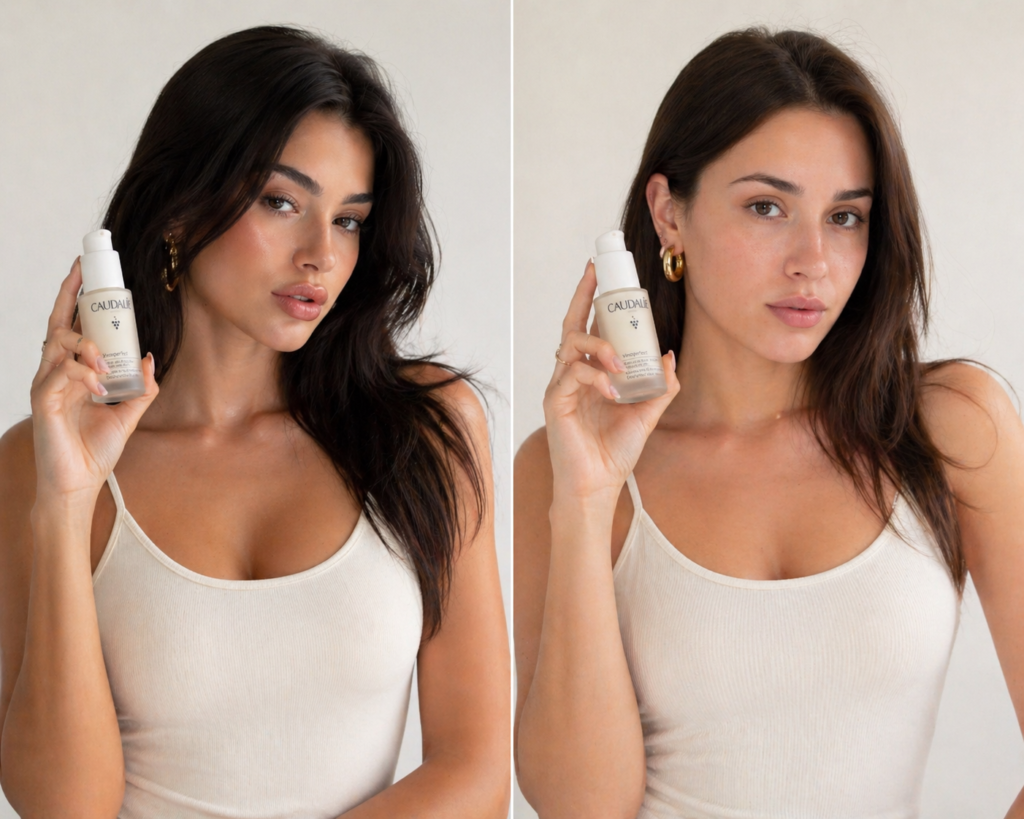
Pros and Cons of AI Influencer Marketing
Pros
- Full creative control — the brand decides everything
- No contracts or agent negotiations — simpler workflow
- Scalable content — one character, infinite campaigns
- No personal controversies — zero PR nightmares
- Consistent visual identity — same aesthetic every time
- Performance data can reshape the character — adaptive marketing
Cons
- Audience trust issues — some people feel deceived when they discover it’s not real
- High upfront creation cost — building a quality AI influencer isn’t cheap
- Ethical questions — some critics argue it manipulates audiences
- Lacks genuine emotional storytelling — real human experiences are hard to replicate
- Disclosure requirements — many platforms and regulators are starting to require transparency about AI-generated content
It’s also worth noting that Wikipedia’s coverage of virtual influencers highlights growing debates around transparency and the ethics of using computer-generated personas in advertising.
Practical Tips: Should Your Brand Try AI Influencers?
Not every brand needs an AI influencer. Here’s how to figure out if it’s right for you:
Go for it if:
- Your brand is in fashion, beauty, tech, gaming, or entertainment
- You need consistent, high-volume content for multiple markets
- You’ve had bad experiences with influencer scandals in the past
- You want full creative control over brand image
Think twice if:
- Your audience values raw authenticity and personal storytelling
- Your product relies on real-world reviews and genuine user experience
- You have a limited budget for the initial build phase
Practical starting steps:
- Research existing virtual influencers in your niche
- Check platforms like HypeAuditor or Influencer Marketing Hub for performance data
- Start with a partnership (existing AI influencer) before building your own
- Always disclose AI-generated content transparency builds trust
You can also explore more AI and digital marketing insights at NextGenDecode to stay updated on what’s working right now.
Conclusion
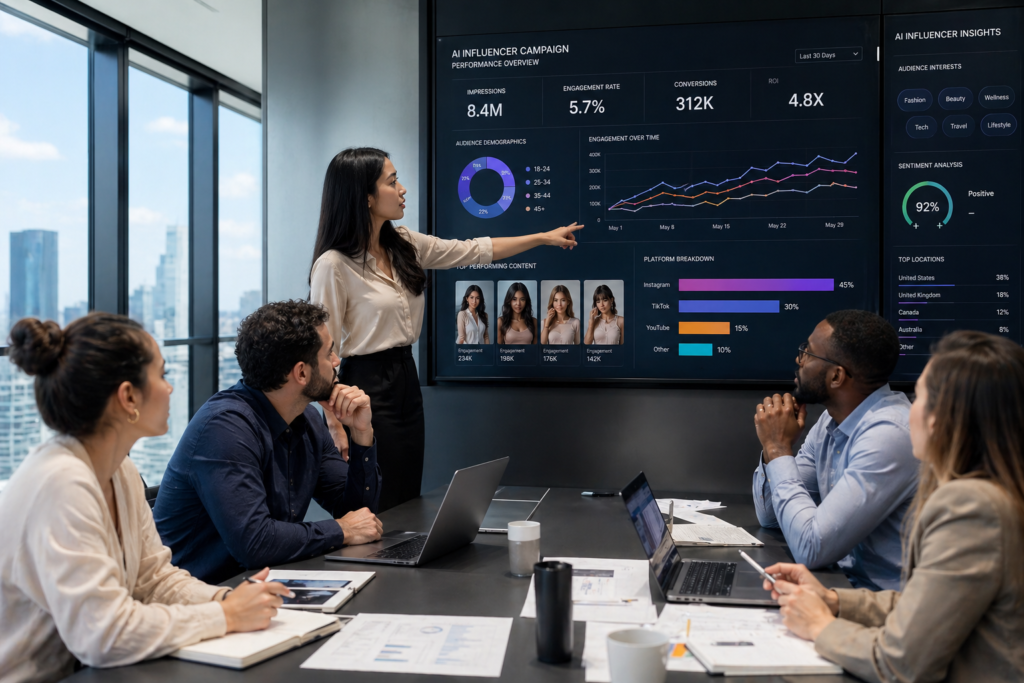
The rise of AI influencers isn’t a gimmick. It’s a genuine shift in how marketing works.
Brands are using virtual influencers because they offer something real humans simply can’t total control, zero scandal risk, global flexibility, and content that never sleeps. Yes, there are trade-offs. Authenticity is still a human thing. But as the technology improves, even that gap is closing.
Whether you’re a startup building your first campaign or a large brand tired of influencer headaches, it’s worth paying attention to this space. The brands that figure out how to blend human authenticity with AI efficiency are going to have a serious edge.
Start small. Stay ethical. And don’t be surprised when your next favorite “influencer” turns out to be lines of code.
FAQ
What are AI influencers for brands and how do they work?
AI influencers are digitally created characters that post content on social media to promote products and brands. They’re built using CGI or generative AI tools and managed by creative teams who control every post, caption, and campaign. Brands either create their own or partner with existing virtual influencer agencies.
Are AI influencers better than real human influencers?
It depends on your goal. AI influencers offer better brand control, lower long-term costs, and zero scandal risk. But human influencers still win on emotional authenticity and audience trust. Many brands are starting to use both strategically.
How much does it cost to create an AI influencer for a brand?
Building a fully custom AI influencer from scratch can cost anywhere from $20,000 to over $500,000 depending on the quality and technology used. Partnering with an existing virtual influencer is significantly cheaper and often a smarter starting point for most brands.
Do brands need to disclose when they use AI influencers?
Yes — and increasingly, they’re required to. Many social platforms and advertising regulators are pushing for clear disclosure when content is AI-generated or features virtual personas. Transparency isn’t just ethical; it’s becoming the law in many regions.
Which industries benefit most from using AI influencers?
Fashion, beauty, gaming, technology, and luxury goods have seen the strongest results. These industries rely heavily on visual aesthetics and aspirational branding areas where AI influencers genuinely shine.