
Table of Contents
Introduction: That "Great Deal" Might Not Be One
You’ve been there. You spot a product at a price that feels almost too good. You think, “Why spend more when this does the same job?” So you buy it. But three months later, it breaks, fades, or stops working. Now you’re back to buying again.
The hidden cost of cheap products is something most of us learn the hard way. The price tag at the store is rarely the full story. Real costs show up later – in replacements, repairs, wasted time, and sometimes even your health.
This post breaks down 7 honest, practical truths that will change how you look at every “bargain” you find. Read this once, shop smarter forever.
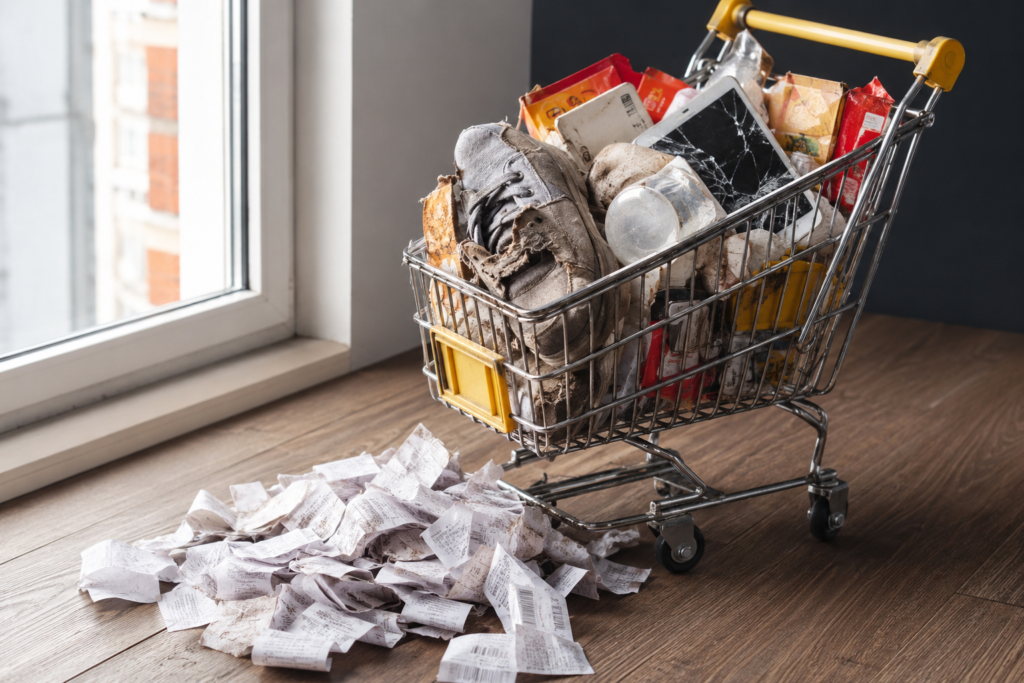
The Hidden Cost of Cheap Products Nobody Talks About
Most people think about price in one direction: how much they pay right now. But cost works in layers. The hidden cost of cheap products includes everything you didn’t plan for when you swiped your card.
Think about a cheap pair of shoes. You pay ₹399. They last 2 months. A decent pair costs ₹1,200 and lasts 2 years. Over those same 2 years, you’ve bought 12 cheap pairs – spending ₹4,788. That’s nearly 4x more than the quality pair.
This math plays out across every product category. It’s not about being a big spender. It’s about being smart with your money. According to NerdWallet, evaluating cost-per-use is one of the most underrated money habits people skip.
The moment you start seeing purchases through a long-term lens, you stop chasing cheap and start chasing value.
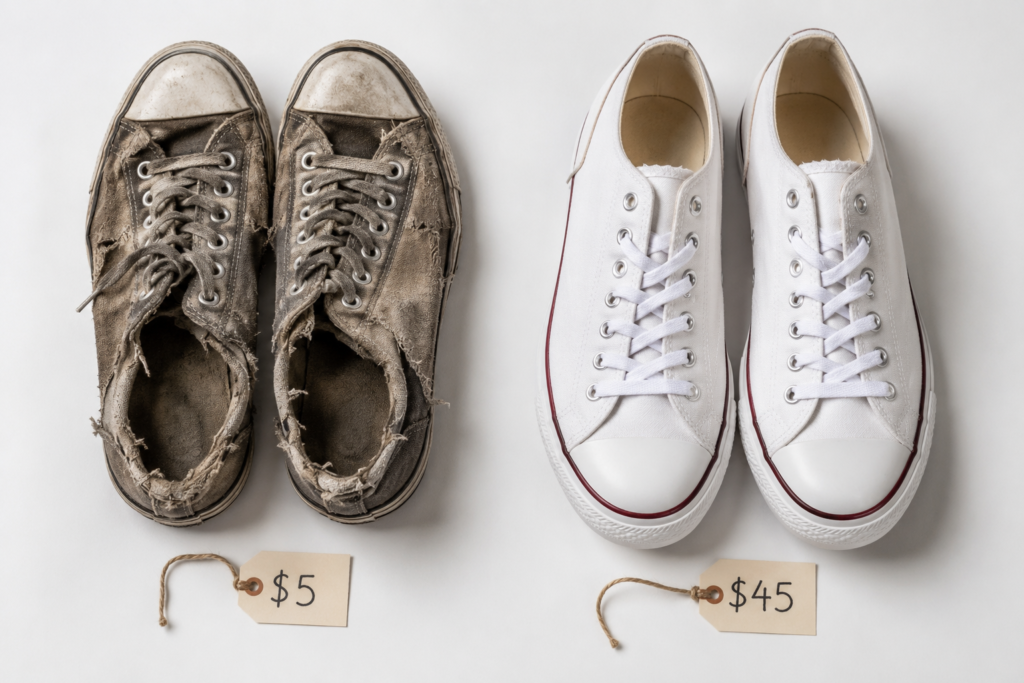
7 Smart Truths About the Hidden Cost of Cheap Products
This is the core of what you need to know. Each point here is something real – not theory. These are the reasons your cheap buys quietly drain your wallet every single month.
1. You Replace Them Way More Often
Cheap products break faster. That’s not an opinion; it’s a pattern every smart shopper eventually notices. Lower-quality materials wear out quickly under normal everyday use. Every replacement is money leaving your pocket that you never budgeted for.
A cheap phone charger lasts weeks. A quality one lasts years. Run that math across all your daily-use products and the number becomes hard to ignore.
2. Your Health Can Pay the Price
This one surprises people the most. Cheap mattresses cause back pain. Low-quality cookware leaches harmful compounds into your food. Poorly made shoes misalign your posture over time. These small issues pile up into real medical costs you never saw coming.
According to Healthline, poor sleep quality from an unsupportive mattress is directly linked to chronic fatigue, stress, and reduced immunity. That cheap mattress deal might end up costing you multiple doctor visits later.
3. The Hidden Cost of Cheap Products in Your Home
Your home is quietly full of cheap purchases frustrating you every single day. A fridge that vibrates too loud. A fan with a wobbly blade. A tap that drips even after you’ve tightened it three times.
These aren’t just small annoyances. They add to your electricity bill, need regular repair visits, and drag down your quality of life. The hidden cost of cheap products at home is also measured in daily stress and mental energy you lose without realising it.
4. Poor Quality Hurts Your Productivity
Picture working with a cheap laptop that freezes every 20 minutes. Or sitting in a chair that kills your back after an hour of work. Your output suffers. Your mood suffers. Your time gets wasted.
Poor tools slow down everything you do. When productivity drops, you either earn less or take much longer to finish tasks – both of which have a real financial cost attached to them.
5. Hidden Fees, Returns, and Repairs Add Up
Most cheap products come with zero warranty support or nearly impossible return policies. When something goes wrong – and it always does – you’re stuck paying for repairs yourself or simply buying a replacement.
Shipping costs for returns, local repair shop fees, and service charges are all part of the real cost you never saw at the checkout page. Add those up honestly over one full year and the number will genuinely shock you.
6. The Environmental Price You Don’t See
This one gets overlooked almost every time. Cheap products are built to be disposable. They end up in landfills faster, consume more resources per unit of use, and often contain materials that don’t break down safely over time.
The hidden cost of cheap products isn’t just personal. It’s a cost the planet absorbs quietly every time you throw away another broken item. Sustainable choices often cost more upfront but create far less waste and damage in the long run.
7. Your Time Is a Cost Too
People forget this one completely. Every time a cheap product fails, you spend time researching a replacement, placing a new order, waiting for delivery, setting it up, and adjusting again. That cycle repeats over and over.
Your time has real value. An hour spent dealing with a broken product is an hour you can’t get back. When you add up all the hours lost across every cheap purchase in a year, it often equals days of wasted life. That’s a cost no price tag ever shows you.
How Cheap Products Compare: A Quick Breakdown
| Category | Cheap Product | Quality Product |
|---|---|---|
| Initial Price | Low | Higher |
| Lifespan | Weeks to months | Years |
| Replacement Frequency | High (every 2-3 months) | Low (every 2-5 years) |
| Total Long-Term Cost | Often 3-5x more | Lower overall |
| Health Impact | Possible risk | Generally safer |
| Environmental Waste | High | Lower |
| Time Lost to Failures | Frequent | Rare |
| User Satisfaction | Frustrating over time | Consistently better |

Pros and Cons of Buying Cheap Products
Pros of Buying Cheap Products
- Low upfront cost makes it accessible when money is genuinely tight
- Good for short-term needs like travel-only or single-use situations
- Useful for testing a product category before committing to a premium version
- Works fine for non-critical items like decorative pieces or rarely-used tools
- Helps during emergencies when you need something immediately without time to research
Cons of Buying Cheap Products
- Breaks faster, leading to repeated and unplanned purchases
- Can quietly harm your health through poor materials or unsafe builds
- Adds hidden daily stress through frustrating performance issues
- Almost always costs more long-term due to frequent replacement cycles
- Bad for the environment because of significantly higher waste generation
- No warranty or support in most cases, leaving you helpless when problems appear
- Wastes your time on returns, repairs, and repurchasing the same item repeatedly
Practical Guide: How to Shop Smarter Starting Today
You don’t need to spend a fortune to avoid the hidden cost of cheap products. You just need a better system. Here’s what actually works:
- Calculate cost-per-use before buying. Divide the price by how many times you’ll realistically use it. A ₹2,000 item used 200 times costs ₹10 per use. A ₹400 item used 10 times costs ₹40 per use. The numbers tell the truth.
- Check reviews specifically for longevity. Look for comments from buyers who mention how the product holds up after 6 months or more of real use.
- Prioritise quality in high-use categories first. Focus on items you use every single day: shoes, mattresses, kitchen tools, office chairs, and phone chargers.
- Avoid impulse buying during sales. Discount pricing is deliberately designed to bypass rational thinking and push you toward fast decisions.
- Use the 48-hour rule. Wait 2 full days before buying anything non-essential. Most impulse buys completely lose their appeal by then.
- Invest in repairs when it makes sense. A good quality item worth repairing is almost always better than buying another cheap replacement.
- Set a quality budget for essentials. Decide in advance which categories deserve your best money and stick to that plan consistently.
For more smart consumer guides and practical money advice, check out NextGenDecode – where real-world financial thinking meets everyday decisions.

Final Thoughts Worth Remembering
Here’s what these 7 truths come down to:
- Cheap products cost more in replacements and repairs over time
- Your health and productivity are quietly affected by poor-quality items
- Hidden fees, returns, and lack of warranty make cheap buys far riskier than they look
- The environmental impact of disposable cheap goods is real and growing
- Your time is a genuine cost that most people never factor into their buying decisions
The best purchase you can make isn’t always the cheapest one. But it’s not always the most expensive either. It’s the one that delivers the most value over time for what you actually need.
Next time you spot a deal that feels too good, pause for just a second. Run the numbers. Think about next year, not just today. That single habit will save you more money than any sale ever will.
Frequently Asked Questions
Why do cheap products cost more in the long run?
Cheap products are made with lower-grade materials and minimal quality checks. They break faster, need replacing more often, and sometimes require costly repairs. When you honestly add up all those extra expenses over months or years, the total almost always exceeds what a quality product would have cost you from the start.
What are the most common hidden costs in cheap purchases?
The most common hidden costs include frequent replacements, repair fees, return shipping charges, health-related expenses from poor materials, productivity loss from unreliable tools, time wasted on dealing with failures, and the environmental cost of higher waste generation. Most of these go completely unnoticed until they pile up into a serious financial drain.
Is it ever smart to buy a cheap product?
Yes – in specific situations. If you need something for a one-time use, for testing a product category, or as a temporary solution while saving for a quality version, cheap products can make perfect sense. The key is being intentional about it rather than defaulting to cheap as a general habit across all your purchases.
How do I spot a cheap product that will actually hold up?
Look for products with verified buyer reviews that specifically mention durability after months of real use. Check whether the brand offers a warranty. Avoid items with zero return policies. Also look carefully at the build materials listed in the product description – metal components and natural materials almost always outlast plastic alternatives by a significant margin.
How does buying cheap affect the environment?
Cheap products are designed to be disposable from the start. They are manufactured with minimal quality standards, fail faster, and reach landfills sooner. Because they are replaced so frequently, they also consume more raw materials and energy per year of actual use compared to a single quality product that lasts much longer. Smarter buying choices directly reduce personal waste.