
Table of Contents
Introduction
A few years ago, buying vegan leather felt like the perfect choice. It sounded ethical, modern, and eco friendly. Many shoppers believed it could solve the environmental damage caused by animal leather. However, the truth behind vegan leather sustainability is more complex than most brands admit.
Some vegan materials reduce harm. Others create new environmental problems through plastic waste and short product life. This guide explains the biggest trade offs clearly and simply. You will learn what vegan leather really contains, which materials are improving, and how to make smarter shopping choices without falling for marketing tricks.
Why Vegan Leather Sustainability Matters
The fashion industry creates huge environmental pressure every year. According to Wikipedia Fashion Industry, clothing production contributes heavily to pollution, water waste, and landfill growth.
Consumers now want better alternatives. That demand pushed vegan materials into the spotlight. Still, many buyers confuse “vegan” with “sustainable.” Those two words do not always mean the same thing.
Plastic Based Vegan Leather Dominates Markets
Most affordable vegan leather products use PU or PVC. These materials come from fossil fuels. They may avoid animal use, but they still create pollution.
Problems include:
• Microplastic shedding
• Low biodegradability
• Short product lifespan
• Difficult recycling process
As a result, cheap vegan bags and shoes often end up in landfills quickly.
Plant Based Materials Still Need Processing
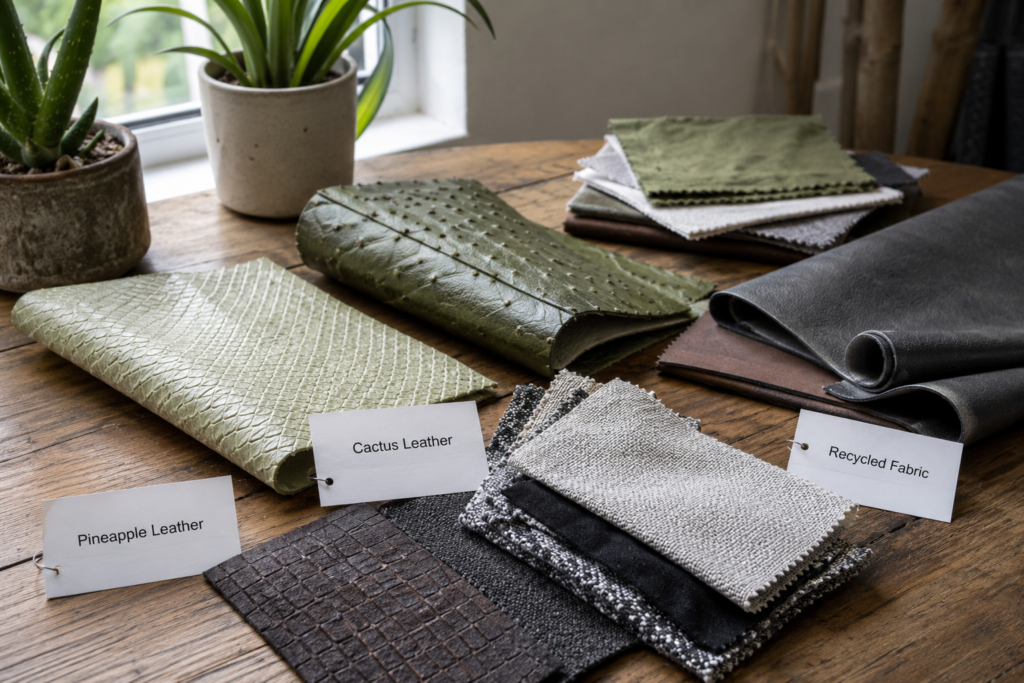
Many companies now use cactus, apple, pineapple, or mushroom fibers. That sounds promising. Yet most plant based materials still require plastic coatings for durability.
This means some “natural” vegan leather still contains synthetic chemicals. The environmental impact depends on how much plastic remains inside the final product.

Hidden Problems Behind Vegan Materials
Many fashion brands promote vegan products as guilt free. Sadly, marketing often hides important details.
Fast Fashion Uses Vegan Labels Cleverly
Fast fashion brands know consumers love sustainability trends. Therefore, they use terms like “eco leather” or “vegan friendly” without explaining the material composition.
A product may contain:
• 70% plastic
• Chemical dyes
• Non recyclable layers
• Poor quality stitching
Consequently, buyers think they support the planet while still purchasing disposable products.
Vegan Leather Sustainability in Everyday Fashion
Durability matters more than many people realize. A product lasting ten years usually creates less waste than one replaced every year.
That is why vegan leather sustainability depends heavily on quality and lifespan. Cheap materials increase waste quickly. Better designed products reduce replacement cycles.
According to Forbes Sustainability Coverage, long lasting fashion choices help lower environmental pressure significantly.
Vegan Leather Sustainability vs Real Leather
The debate between animal leather and vegan leather remains complicated. Neither option is perfect.
| Factor | Vegan Leather | Real Leather |
|---|---|---|
| Animal Use | No animals used | Animal based |
| Plastic Content | Often high | Usually low |
| Durability | Medium | High |
| Biodegradability | Limited | Better in natural forms |
| Maintenance | Easier | Requires care |
| Fast Fashion Usage | Extremely common | Less common |
Which Material Lasts Longer?
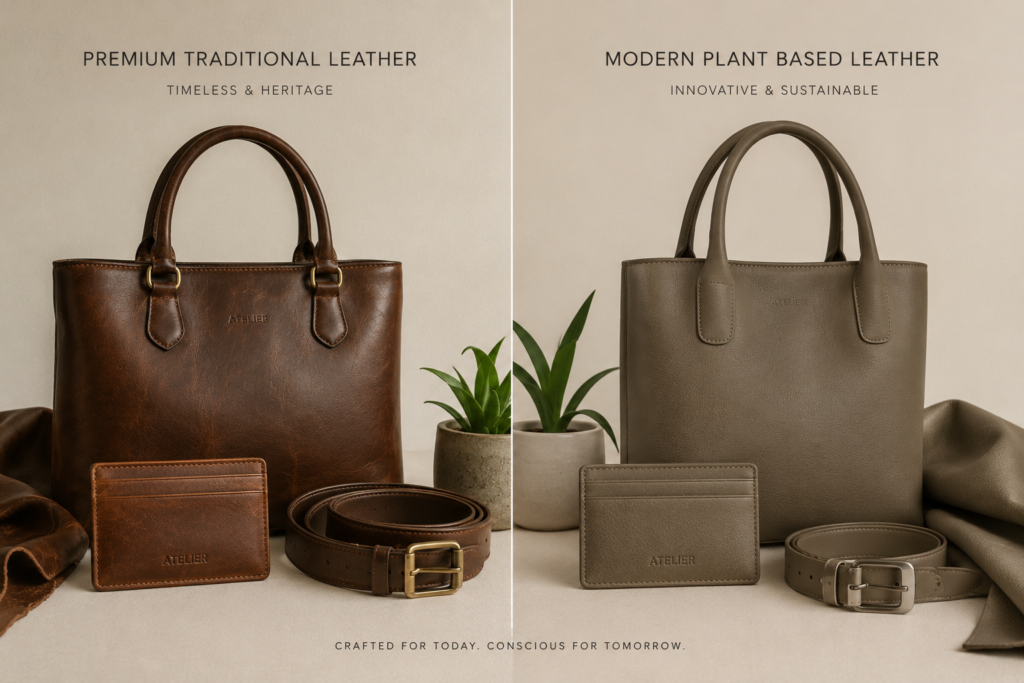
Traditional leather usually lasts longer. Many vintage leather products survive decades with proper care.
Meanwhile, lower quality vegan leather often cracks or peels within a few years. However, premium plant based alternatives continue improving rapidly.
The smarter choice depends on:
- Product lifespan
- Manufacturing quality
- Material composition
- Repairability
- Responsible consumption habits
Better Alternatives Emerging Today
Not all vegan materials are harmful. Several innovations look genuinely promising.
Best Eco Friendly Alternatives Today
Some better options include:
• Mushroom leather
• Cork leather
• Recycled ocean plastic fabrics
• Apple waste leather
• Pineapple fiber materials
These materials reduce agricultural waste and lower dependence on fossil fuels.
Still, consumers should check:
• Percentage of natural fibers
• Plastic coating levels
• Brand transparency
• Manufacturing certifications
The best companies openly explain their sourcing and production methods.
Pros and Cons of Vegan Materials
Pros of Vegan Materials
• Avoid animal exploitation
• Encourage innovation in fashion
• Often lighter and flexible
• Some options use recycled waste
• Plant based alternatives continue improving
Cons of Vegan Materials
• Many contain fossil fuel plastics
• Cheap versions peel quickly
• Recycling remains difficult
• Greenwashing confuses consumers
• Short lifespan increases landfill waste
Practical Guide to Smarter Material Choices
How to Shop More Responsibly
• Buy fewer but higher quality products
• Research material composition carefully
• Avoid ultra cheap fast fashion items
• Choose repairable products whenever possible
• Support transparent sustainable brands
• Compare lifespan before purchasing
• Read sustainability reports from companies
Explore more eco conscious lifestyle guides at NextGenDecode Smart shopping habits matter more than labels alone.

Conclusion
The future of fashion depends on smarter decisions, not perfect labels. Vegan leather sustainability offers exciting possibilities, but it also comes with serious environmental trade offs.
Some materials reduce animal harm while increasing plastic pollution. Others use innovative plant fibers and recycled waste more responsibly. The difference comes down to quality, transparency, and durability.
Before buying your next bag or jacket, look deeper than marketing words. Ask what the product contains, how long it lasts, and whether you truly need it.
Better choices today can reduce waste tomorrow.
FAQ
Is vegan leather better for the environment?
Not always. Some vegan leather contains large amounts of plastic. Plant based alternatives usually perform better environmentally.
What is the most sustainable vegan leather?
Mushroom leather, cork leather, and pineapple fiber materials currently show strong sustainability potential due to lower plastic use.
Does vegan leather contain plastic?
Yes. Most vegan leather products still contain PU or PVC plastic layers for strength and flexibility.
How long does vegan leather last?
High quality vegan leather may last several years. Cheap fast fashion versions often crack or peel quickly.
Why do brands promote vegan leather heavily?
Consumer demand for ethical fashion continues growing rapidly. Therefore, brands use vegan labels to attract eco conscious buyers.