
Table of Contents
Introduction
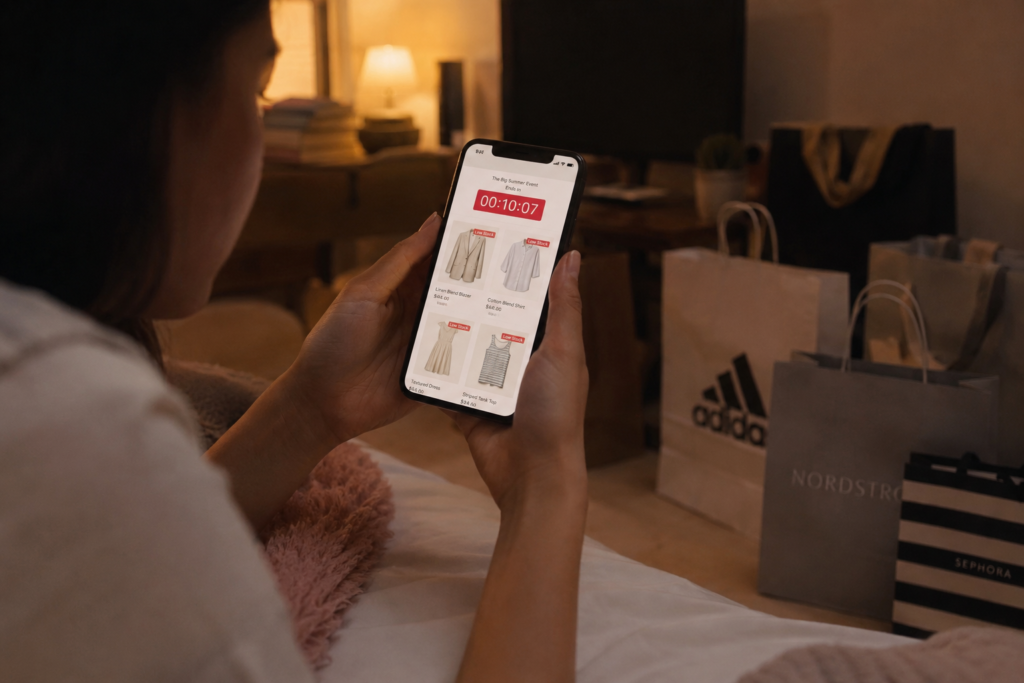
You see it every time you open an app. A red badge screams “Only 3 left!” A countdown timer ticks away 02:14, then 01:59. Your stomach tightens. You add the item to cart without thinking. You check out. A few days later, the package arrives and the thrill is gone. The fabric is thinner than expected, and you cannot even remember why you wanted it. That is fast fashion brand manipulation in action. It is not random luck that you bought it. It is psychology, designed to make you spend faster than you can reason. In this post, I will walk you through 6 smart insights that expose how urgency, influencers, and throwaway trends hijack your brain, and how you can take back control.
How Fast Fashion Brand Manipulation Controls Your Mind
This is not just marketing. It is a mix of neuroscience, behavioral psychology, and digital addiction. Fast fashion brands have studied how your brain reacts to stress, social proof, and time pressure. They use that knowledge to keep you scrolling, clicking, and buying. Let’s peel back the curtain on the seven main tactics they deploy every single day.
The Psychology of Urgency and Scarcity
When you see “only 2 left,” your brain perceives a threat. The amygdala activates a fear of missing out. This biological response overrides logical thinking. Suddenly, you are not evaluating the product. You are racing against an imaginary clock. Studies show that scarcity cues can boost sales by over 200%. Fast fashion brand manipulation relies on this mechanism. Those countdown timers are often fake. Stock levels are reset daily. The goal is never to inform you; it is to make you react.
Influencers and the Illusion of Trust
You follow a creator because you like their style. They post a #OOTD with a discount code. It feels like a friend’s recommendation. But most influencers are paid to sell, not to review honestly. The product might be gifted, worn once, and never touched again. Fast fashion brand manipulation weaponizes parasocial relationships. Your brain releases oxytocin when you see a familiar face, lowering your skepticism. You think, “If they love it, I will too.” And the brand knows that feeling opens wallets.
Trend Cycles That Fuel Constant Buying
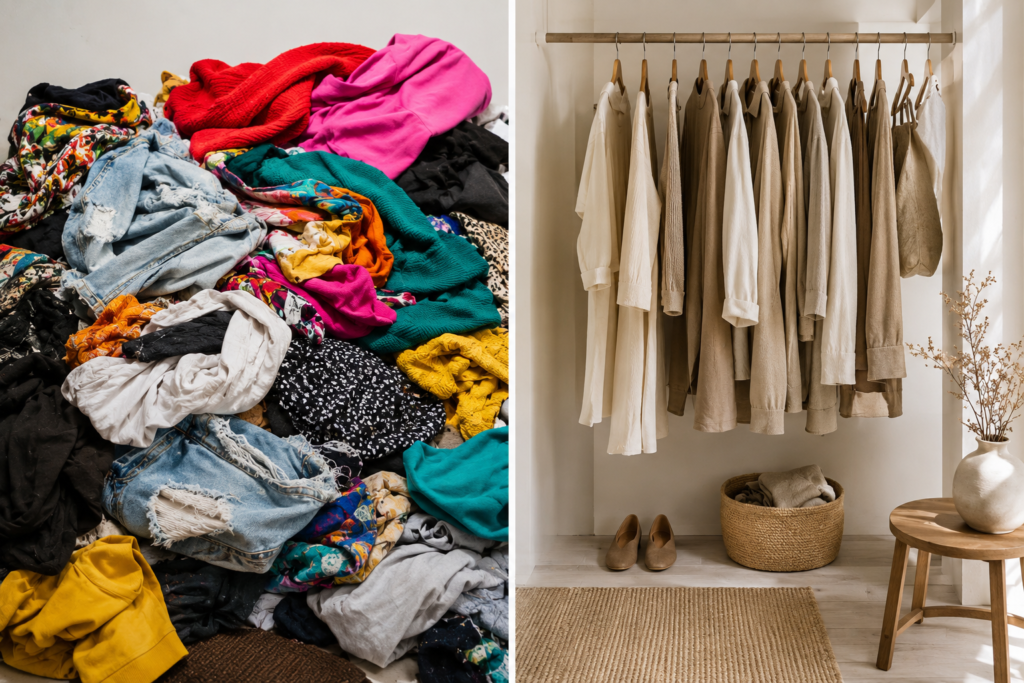
Micro-trends like “cottagecore” or “mob wife” explode on TikTok and die within weeks. Fast fashion brands manufacture these cycles to make your current wardrobe feel obsolete. When a trend shifts, the emotional value of your existing clothes plummets. You chase the new thing to feel relevant. This is planned obsolescence for fashion. Fast fashion brand manipulation profits from your desire to belong. As soon as you catch up, the goalpost moves again.

Emotional Advertising and Instant Gratification
Ads rarely focus on garment quality. They sell confidence, romance, or rebellion. A 15-second clip makes you believe a polyester dress will change your life. Your brain’s reward system fires dopamine at the thought of the purchase, not the product itself. The checkout process is then designed to be frictionless. One-click buy, saved cards, free returns. Fast fashion brand manipulation smoothes every step between desire and action so you never pause and ask, “Do I actually need this?”
Social Media Algorithms That Trap You
You search for “date night outfit” once. For the next week, your feed is flooded with curated hauls and “must-have” lists. Algorithms amplify fast fashion content because it is cheap to produce and highly engaging. The infinite scroll keeps you in a trance. Every swipe exposes you to another product, another sale, another reason to feel inadequate. Fast fashion brand manipulation works hand in hand with these platforms. The more you watch, the more data brands collect to target you better.
The Role of Cheap Pricing in Impulse Decisions
A $12 top feels risk-free. The low price lowers your mental barrier. You buy three instead of one. But the hidden cost is cumulative. Frequent micro-purchases add up fast. Low prices also signal that the item is disposable, making it easier to throw away after a few wears. Fast fashion brand manipulation uses price anchoring. They show a “before” price slashed down to a deal, even if the item was never sold at the higher price. Your brain sees a bargain, not a manipulation.
Fast Fashion Brand Manipulation Through Exclusivity
“Exclusive drop,” “VIP access,” “limited collection.” These phrases make you feel special. Brands manufacture artificial membership tiers. You get a push notification because you “unlocked” early access. In reality, thousands of others received the same alert. Exclusivity triggers your ego. It whispers that you are part of an inner circle. Fast fashion brand manipulation knows that people buy more when they feel chosen.
Comparison Table: Fast Fashion Brand Manipulation vs. Ethical Branding
| Tactic | Fast Fashion Approach | Ethical Brand Approach |
|---|---|---|
| Urgency | Fake countdown timers, false low-stock alerts | Transparent inventory, no pressure tactics |
| Influencers | Paid promotions, gifted items without disclosure | Long-term brand ambassadors, honest reviews |
| Trend cycles | New micro-trends every few weeks | Seasonless, timeless designs |
| Pricing | Artificially inflated “was” prices, deep discounts | True cost pricing, fair wages reflected |
| Exclusivity | Fake VIP drops, gated access for all | Real limited runs with genuine scarcity |
| Transparency | Hidden supply chains, vague sustainability claims | Open factories, third-party certifications |
| Emotional hooks | Dopamine-driven instant gratification ads | Educational content about product longevity |
Pros and Cons of Fast Fashion Brand Manipulation
Pros
• Affordable trend pieces make fashion accessible to low-income shoppers.
• Fast turnaround means you can experiment with style risk-free.
• Digital experience is slick and addictive, saving time.
• Wide size ranges sometimes offered, though inconsistently.
Cons
• Encourages impulsive buying and financial waste over time.
• Fuels anxiety and a never-ending pursuit of the next trend.
• Often uses deceptive scarcity and fake reviews.
• Environmental impact from mass overproduction and textile waste.
• Exploits garment workers to keep prices unsustainably low.
• Reduces clothing to disposable content instead of lasting pieces.
How to Resist Manipulative Fashion Marketing: 6 Smart Steps
You do not need to quit shopping. You need to shop with awareness. These six steps are practical and doable starting today.
• Pause before every purchase. Wait 48 hours. Urgency is often a lie. If the item is truly limited, losing it is better than being tricked.
• Mute or unfollow accounts that trigger constant comparison. Curate a feed that inspires rather than pressures. Follow creators who talk about rewearing and styling old clothes.
• Audit your wardrobe monthly. Seeing what you already own kills the urge for duplicates. It grounds you in reality, not algorithm-fed fantasy.
• Use a cost-per-wear mindset. Before buying, ask how many times you will realistically wear it. A 20dressworntwicecosts20dressworntwicecosts10 per wear. That is expensive in the long run.
• Turn off push notifications from shopping apps. These alerts are designed to interrupt your day with manufactured emergencies.
• Learn the basics of ethical fashion. When you understand the true cost of a garment, that “deal” looks less tempting. For more conscious branding insights, explore the resources at https://nextgendecode.in/.

Conclusion
Fast fashion brand manipulation is everywhere, but it is not unbeatable. Urgency, influencer hype, and disposable trends are just tools. When you understand how they work, you can spot the strings being pulled. The goal is not to feel shame for past purchases. It is to make future ones with your eyes open. Next time a countdown timer blinks at you, take a breath. You are in charge, not the algorithm. Shop on your own terms, and you will build a wardrobe, and a mindset, that actually lasts.
Frequently Asked Questions
What is fast fashion brand manipulation?
It is a set of psychological tactics used by fast fashion companies to drive impulse buying. These include fake scarcity, influencer-driven trust, emotional advertising, and endless trend cycles that make you feel your current clothes are outdated.
How do brands create fake urgency?
They use countdown timers, “only a few left” notifications, and flash sales. Often the timers reset or the stock levels are not real. The goal is to make you act before your rational brain can intervene.
Why do influencers make us buy things we don’t need?
Influencers build parasocial bonds. You feel like you know them, so their recommendations carry the weight of a friend’s advice. Brands exploit that trust, and the dopamine hit of copying someone you admire clouds your judgment.
Can I still enjoy fashion without falling for manipulation?
Absolutely. Slow down, unfollow high-pressure accounts, and learn to recognize emotional triggers. Focus on personal style over micro-trends, and invest in pieces you truly love. Fashion becomes more joyful when it is your choice, not a reaction.