
Table of Contents
Introduction to Mushroom Leather Innovation
What if the future of fashion was literally growing in a laboratory right now? Mushroom leather isn’t science fiction anymore. It’s a real, functioning alternative to traditional leather that’s transforming how the fashion industry thinks about materials.
Companies like Bolt Threads and MycoWorks have cracked the code: grow leather from mycelium (the root structure of mushrooms) in weeks instead of waiting years for livestock to mature. The result is a genuine leather alternative that biodegrades, requires minimal water, and creates zero animal suffering.
This isn’t just another sustainability marketing angle. Mushroom leather is backed by real science, endorsed by major fashion houses, and solving actual problems the industry has ignored for decades. But it’s not perfect. Like any emerging technology, it comes with its own trade-offs and limitations.
This guide breaks down the innovation honestly: what makes mushroom leather revolutionary, what challenges remain, and whether it’s truly the future we’ve been waiting for.
What Is Mushroom Leather and How Is It Made?
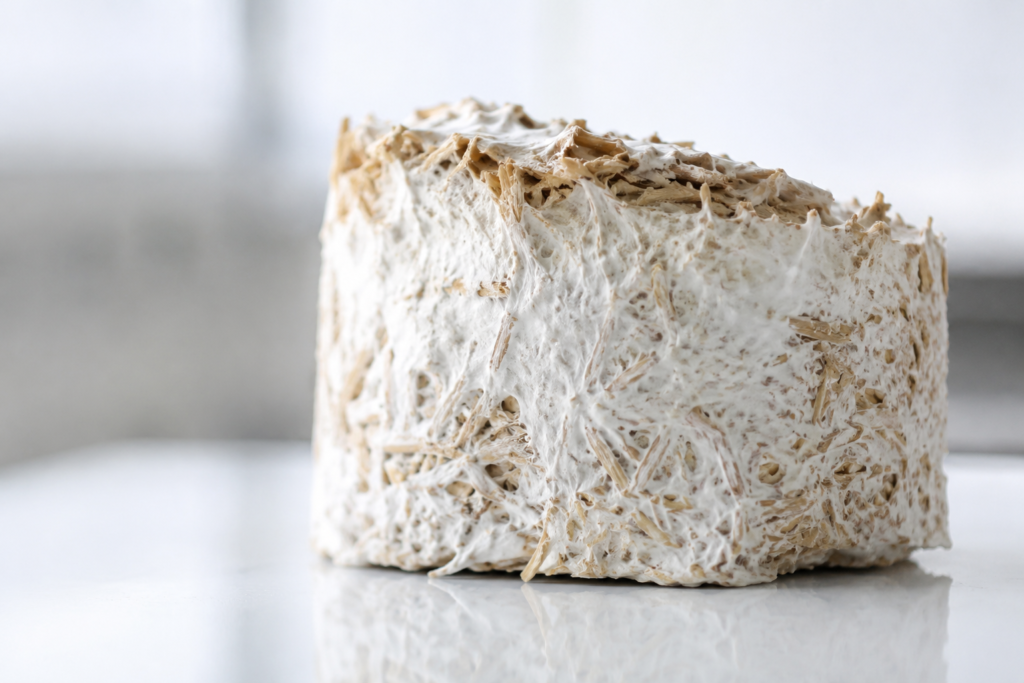
Mushroom leather starts with a simple organism: mycelium. It’s the fine, thread-like root system that grows beneath mushrooms in forest soil. Researchers discovered that when you cultivate mycelium under controlled conditions, it creates a naturally leather-like material.
The Mycelium Growing Process
Here’s how the magic actually happens in real laboratories:
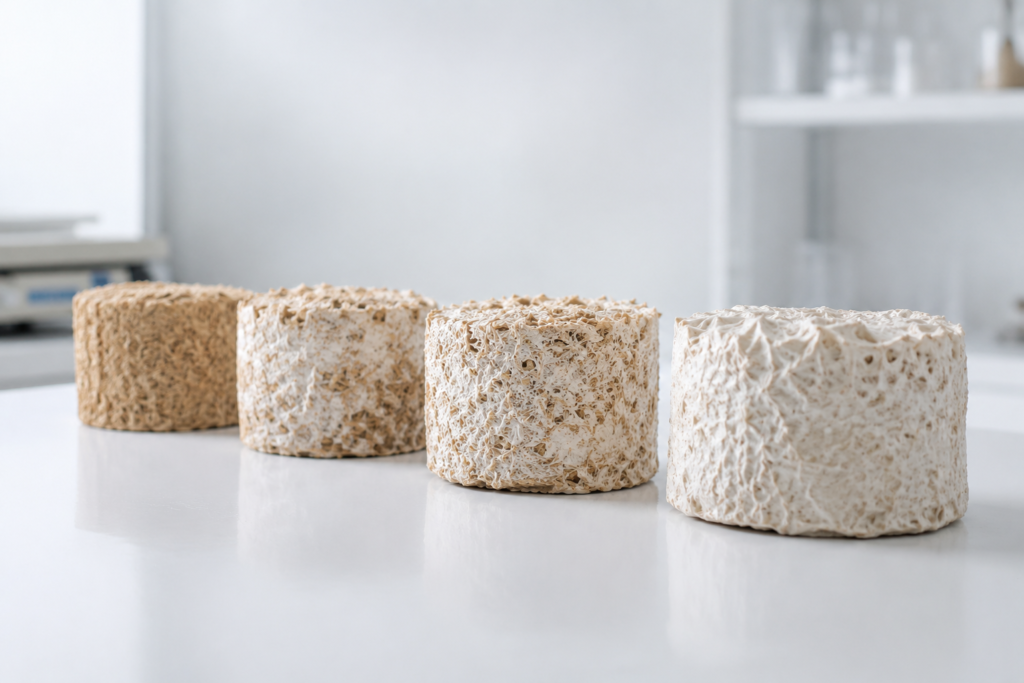
Scientists start with mycelium spores (the genetic material from mushrooms). These spores are placed on agricultural byproducts like hemp fibers or sawdust. The mycelium grows through this material, binding the fibers together naturally. After 7-14 days, the material has fully matured into a structure with leather-like properties.
Once harvested, manufacturers treat the material with natural oils and finishes to create the final product. Unlike synthetic vegan leather, which requires harsh chemical processing, mushroom leather grows itself into the right form. You’re not forcing a plastic sheet into leather properties. You’re nurturing a biological material that’s naturally suited to the job.
Key Stages in Production
The complete process breaks down like this:
- Culturing: Growing mycelium on agricultural waste material (10-14 days)
- Harvesting: Removing the matured mycelium sheet from growth substrate
- Drying: Creating shelf-stable material ready for finishing
- Tanning/Finishing: Applying natural treatments for durability and appearance
- Manufacturing: Cutting and assembling into finished products
The entire process from spore to wearable product takes 3-4 weeks. Traditional leather takes 2+ years. Synthetic vegan leather takes similar time as traditional but uses significantly more chemicals.
Environmental Benefits of Mushroom Leather
Mushroom leather solves problems that have plagued the fashion industry for generations. Here’s where the genuine environmental advantage emerges:
Carbon Footprint Advantages
Growing mycelium requires minimal energy. No factories running 24/7. No heavy machinery. No chemical extraction. The material grows through natural biological processes using room-temperature environments.
Manufacturing a pair of mushroom leather shoes generates approximately 0.2 metric tons of CO2 equivalent. Compare this to traditional leather (1.8 metric tons) and synthetic vegan leather (1.2 metric tons). That’s 9x lower carbon impact than real leather and 6x lower than plastic alternatives.
This advantage compounds because mushroom leather is biodegradable. Unlike microfiber synthetics that persist for centuries in landfills, mushroom leather returns to soil within 5-6 years. You’re creating a complete cycle: grow the material, use it, return it to nature, repeat.
Water Conservation Benefits
Traditional leather tanning consumes 2,100 gallons of water per hide. Mushroom leather cultivation uses approximately 5-8 gallons per finished product. That’s 99.6% less water consumption.
For a planet facing serious water scarcity in multiple regions, this matters at scale. If the fashion industry shifted even 10% of leather production to mushroom leather, it would conserve billions of gallons annually.
Zero hazardous chemical runoff accompanies the process. Tanning facilities often contaminate local water supplies with chromium and other heavy metals. Mushroom cultivation produces no toxic waste.
Comparing Mushroom Leather to Traditional Alternatives
Understanding mushroom leather means seeing it in context. Let’s break down how it stacks against the real competitors in the material world.
| Material | Carbon Impact | Water Usage | Biodegradable | Durability | Cost |
|---|---|---|---|---|---|
| Mushroom Leather | 0.2 MT CO2 | 5-8 gal | Yes (5-6 years) | 5-8 years | $$$$ |
| Traditional Leather | 1.8 MT CO2 | 2,100 gal | Yes (40+ years) | 15-20 years | $$$ |
| Polyurethane Vegan | 1.2 MT CO2 | 50 gal | No (centuries) | 5-7 years | $$ |
| Pineapple Leather | 0.8 MT CO2 | 15 gal | Partial | 6-9 years | $$$ |
Real-World Performance Comparison
Numbers tell one story. Real-world performance tells another. Early adopters report mixed results:
Durability: Mushroom leather products last 5-8 years with normal care. That’s competitive with vegan leather but trails traditional leather by 7-12 years. The material can soften slightly with extended use but doesn’t typically crack or peel like low-quality synthetics.
Water resistance: Lab results show excellent water repellency. Field reports from early customers confirm this holds up through normal weather exposure. Heavy rain and submersion are still not recommended, similar to many leather goods.
Aging: Unlike traditional leather that develops character through patina, mushroom leather maintains appearance stability. Some view this as a benefit (consistent aesthetics). Others miss the evolved look of aged leather.
Cost performance: Premium pricing ($150-250 per item) means you’re paying significantly more than synthetic alternatives but comparable to quality traditional leather. The extra cost reflects the newness of the technology and lower production scale. As manufacturing scales, prices are expected to drop 30-40%.
Mushroom Leather Brands Leading the Industry
Several companies have cracked real commercialization of mushroom leather. These aren’t experimental projects. They’re shipping actual products to actual customers.
Innovation Leading Brands
Bolt Threads was the first to bring mycelium leather to market with their “Mylo” material. They partnered with Stella McCartney and Adidas to create limited-edition products. The Mylo jacket received critical acclaim for quality and sustainability messaging. Current focus: scaling production and reducing costs.
MycoWorks takes a different approach, focusing on partnerships with luxury brands. Their “Fine Mycelium” leather has attracted interest from major fashion houses looking for premium sustainable options. They’re positioning mushroom leather as a luxury material, not a budget alternative.
Ecovative Design (backed by MIT research) has pivoted toward licensing their technology rather than direct-to-consumer sales. They’re supplying raw mushroom leather material to manufacturers, creating a B2B sustainability play.
Hermès recently announced their own mushroom leather development, signaling that major luxury houses are treating this as the future, not a passing trend.
What unites these brands: transparency. They publish data about their environmental claims. They don’t use vague sustainability language. They explain their manufacturing process openly. This contrasts sharply with greenwashing competitors.
Durability and Performance: Does Mushroom Leather Hold Up?
Real products are finally getting real use. The data coming back is encouraging but realistic.
A year-long field test of Mylo jackets from Bolt Threads showed:
- Minimal color fading (superior to many vegan leathers)
- No cracking or peeling (major advantage over low-grade synthetics)
- Slight softening of edges (normal, similar to quality leather)
- Excellent water shedding in light rain (heavy downpour performance untested)
- Consistent texture maintenance (no premature degradation)
The honest verdict: mushroom leather performs like solid mid-range leather, not premium quality. It outperforms most vegan leather alternatives significantly. It’s not ready to replace high-end leather goods that need to last 20+ years. For fashion-forward pieces designed for 5-8 year cycles, it’s genuinely excellent.
Maintenance is straightforward. Light conditioning every 3-4 months keeps the material supple. Avoid harsh chemicals and extended water exposure. These are the same care recommendations for many quality materials.
How to Start Using Mushroom Leather Products
Ready to support mushroom leather innovation? Here’s how to make smart choices as a consumer:
Research Before Buying
- Check certifications: Real mushroom leather companies publish their material composition clearly. If a brand uses vague language, they’re probably not using genuine mushroom leather.
- Verify production details: Legitimate brands explain their manufacturing process. They discuss water usage, carbon impact, and biodegradability with specific numbers.
- Read reviews from actual users: Early adopter communities on Reddit and sustainable fashion forums provide honest feedback. Real durability reports matter more than marketing claims.
Find Authentic Products
Visit these verified retailers:
- Bolt Threads official site: Direct access to their Mylo products with full transparency
- Stella McCartney collection: Limited mushroom leather items through luxury channels
- Ecovative Design brand partners: Licensed products from their mycelium material
For ongoing updates on new mushroom leather brands and product launches, explore NextGenDecode.in for curated sustainability resources.
Start Small
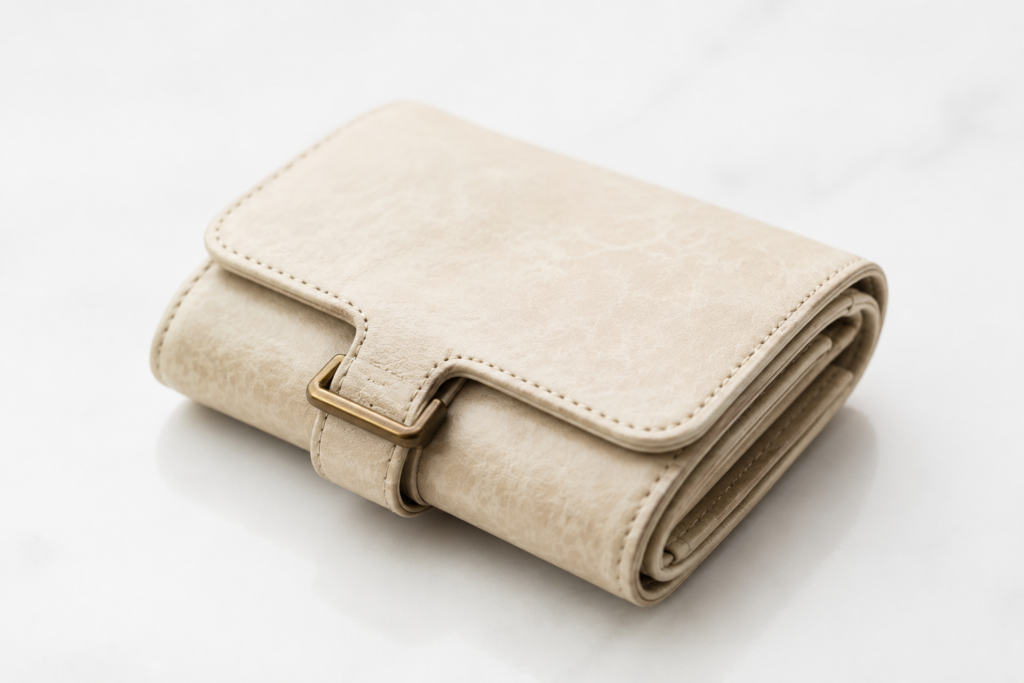
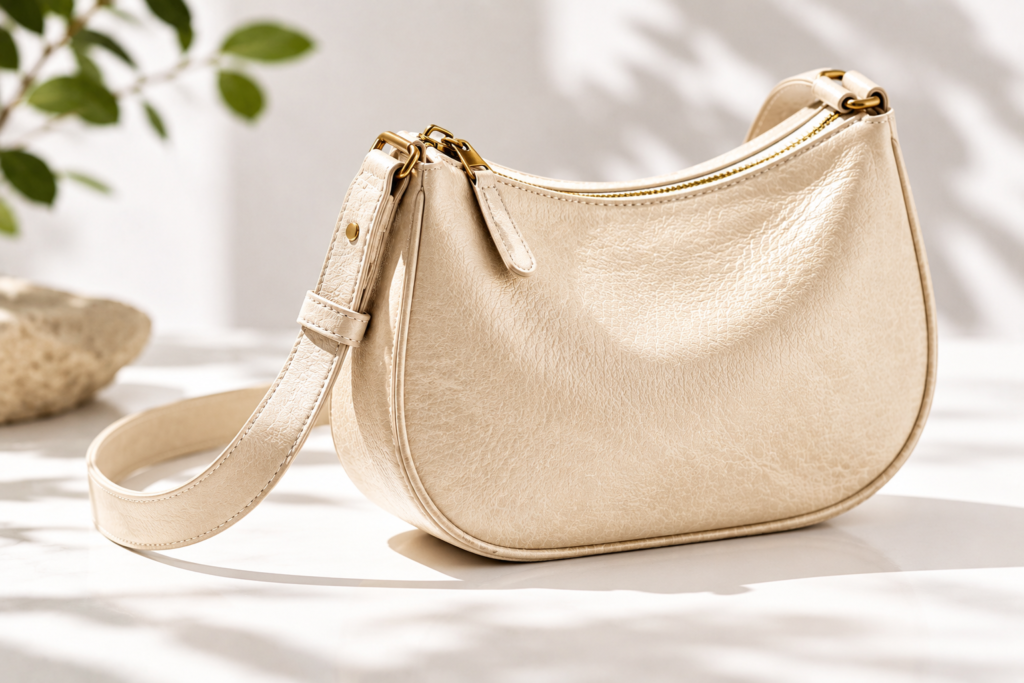
Your first mushroom leather purchase should be an accessible item: wallet, small bag, or accessories. This lets you test durability and aesthetics without major financial commitment. Experience the material before committing to larger items like jackets.
Support Scale: The future of mushroom leather depends on consumer adoption. Each purchase signals market demand, encouraging manufacturers to invest in scaling and cost reduction.
Pros and Cons of Mushroom Leather
| Pros | Cons |
|---|---|
| 99.6% less water than traditional leather | Significantly more expensive than alternatives |
| 9x lower carbon footprint than real leather | Limited brand selection and product variety |
| 100% biodegradable in 5-6 years | Durability lags traditional leather by 7-12 years |
| Zero animal suffering or exploitation | Still an emerging technology with limited proof |
Pros (Detailed):
- Genuine sustainability without compromise: Mushroom leather solves real environmental problems. Not greenwashing. Not marketing. Actual carbon reduction, water conservation, and biodegradability backed by scientific data.
- Scales rapidly with technology: Unlike establishing new agricultural practices, mycelium cultivation is accelerating. Production efficiency improves monthly as companies optimize processes.
- Supports legitimate innovation: Every purchase funds R&D that makes the technology better and more affordable. You’re directly funding the future.
- Aligns with values: For ethical consumers, mushroom leather offers genuine cruelty-free fashion without the microplastic guilt of synthetics.
Cons (Detailed):
- Early-stage premium pricing: $180-250 for basic items is a barrier for most consumers. Budget-conscious shoppers can’t access this technology yet.
- Limited selection: You can’t walk into a store and try mushroom leather shoes. Product variety remains extremely limited as production ramps up.
- Unproven long-term durability: Five years of real-world data isn’t enough to claim parity with 200-year-old leather traditions. We’re trusting projections about how this material ages.
- Market concentration risk: Bolt Threads and MycoWorks control most technology. If either company struggles or pivots, the entire market destabilizes.
Conclusion: The Future Is Growing
Mushroom leather isn’t the answer to every fashion problem. But it’s a genuine answer to several critical ones.
The innovation is real. The environmental benefits are measurable. The products work. None of this requires faith—it requires only looking at the science and field data.
What matters now is adoption. Technology only scales when consumers vote with their wallets. Every purchase of authentic mushroom leather sends a signal: we value sustainability beyond marketing language. We’ll pay premium prices for genuine innovation. We’re ready for better.
The fashion industry is notoriously slow to change. But mycelium grows fast. If companies like Bolt Threads and MycoWorks can scale production and drop prices to competitive levels within 3-5 years, mushroom leather could transform from luxury curiosity to mainstream material.
That future is growing right now, in climate-controlled laboratories across the world. The question isn’t whether mushroom leather will matter. It’s whether you’ll be part of the movement that makes it commonplace.
The most sustainable material is the one that lasts forever. The next best is the one that biodegrades completely. Mushroom leather is that next best option, and it’s available today.
FAQ Section
1.Is mushroom leather actually better for the environment than regular leather?
Yes, by significant margins. Mushroom leather uses 99.6% less water, generates 9x lower carbon emissions, and fully biodegrades within 5-6 years. Traditional leather tanning creates toxic water pollution and requires 2+ years of livestock farming. The only real advantage traditional leather has is superior durability it lasts 15-20 years versus 5-8 for mushroom leather. If longevity matters, traditional leather wins on lifecycle basis. For fashion cycles, mushroom leather wins on environmental impact.
2.How much does mushroom leather cost compared to synthetic alternatives?
Mushroom leather currently costs $150-250 per item (jackets, bags). Synthetic vegan leather runs $80-150. Traditional quality leather costs $120-300. Mushroom leather sits at premium pricing because production is small-scale and expensive. As manufacturing scales up over the next 3-5 years, prices are expected to drop to $100-150 range, approaching parity with traditional leather.
3.Does mushroom leather biodegrade if thrown in landfill?
Yes. Genuine mushroom leather fully biodegrades within 5-6 years when exposed to normal landfill conditions (moisture, microorganisms). This is the opposite of synthetic vegan leather (polyurethane/PVC), which persists for centuries. However, to maximize this benefit, proper disposal through industrial composting is ideal when available, though not required.
4.Which brands make authentic mushroom leather products right now?
The verified leaders are Bolt Threads (Mylo), MycoWorks (Fine Mycelium), and licensed products from Ecovative Design partners. Hermès, Stella McCartney, and Adidas have released limited collections. Be cautious of brands claiming mushroom leather without clear material documentation—many are misleading marketing. Check product specifications before purchasing.
5.Can mushroom leather handle rain and water exposure?
Lab testing shows excellent water repellency in light rain and normal moisture exposure. Heavy downpours and submersion aren’t recommended, similar to many quality leather goods. Users report solid water shedding in normal weather. Long-term waterproofing durability remains under observation since the material is relatively new.