
Table of Contents
Introduction to Luxury Vegan Fashion
Remember when “vegan fashion” felt like a niche buzzword? Those days are gone.
Today, luxury vegan fashion isn’t just a trend it’s a fundamental shift reshaping the entire premium fashion industry. Walk into any high-end boutique, and you’ll find it: luxury vegan fashion options sitting alongside traditional collections. Gucci. Burberry. LVMH. These aren’t small experimental lines. They’re major business pivots backed by millions in investment.
The reason? Consumer demand for ethical, sustainable luxury products has exploded. Millennials and Gen Z aren’t just willing to pay premium prices for vegan materials they’re demanding it. They want their luxury handbags guilt-free. Their designer shoes cruelty-free. Their status symbols sustainable.
This shift represents the biggest opportunity luxury brands have seen in decades. We’re talking billions in new market value. And it’s only accelerating.
In this guide, we’ll explore the eight most compelling reasons why luxury brands are racing to invest in vegan fashion. You’ll understand the consumer psychology, the economics, the technology innovations, and what this means for the future of premium fashion.
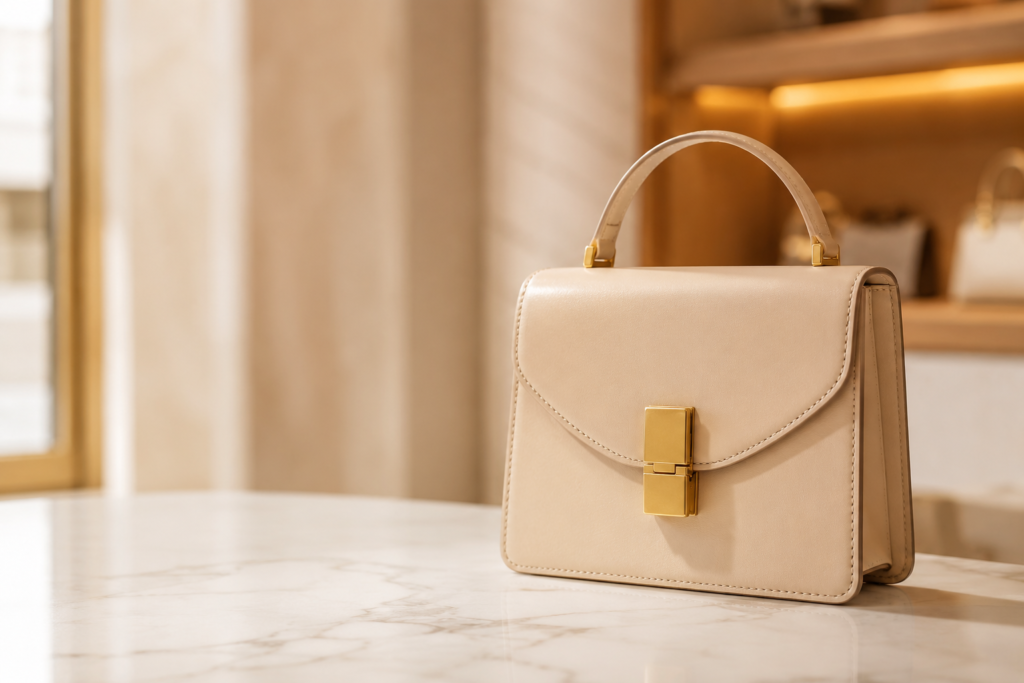
Understanding Consumer Demand Shifts in Fashion
Consumer behavior is the primary engine driving luxury vegan fashion adoption. This isn’t about compromise or settling. It’s about alignment with personal values.
Millennials and Gen Z Drive Ethical Consumption
A recent study found that 73% of Gen Z consumers actively research brand sustainability before purchasing. For luxury goods, the numbers are even higher.
These consumers don’t view vegan fashion as a trade-off. They see it as the default expectation. When a luxury brand offers only traditional leather, younger customers perceive it as outdated—not as premium.
Luxury vegan fashion appeals to this value-driven demographic because it delivers on two fronts:
- Ethical alignment: No animal suffering involved
- Premium quality: Same luxury experience, better conscience
The result? Luxury vegan fashion brands capture customer loyalty that spans decades. Someone who buys their first luxury vegan handbag at 25 becomes a repeat customer for life.
Sustainability Meets Profitability in Vegan Luxury
Here’s the business reality: Luxury vegan fashion is profitable.
Many luxury houses initially feared vegan materials would cannibalize their traditional leather sales. The opposite happened. Luxury vegan fashion created an entirely new customer segment that would never buy traditional leather regardless of price.
These customers represent incremental revenue. They expand the total addressable market. For brands like Burberry, launching vegan leather collections increased overall profitability by attracting ethically-conscious affluent consumers who previously shopped competitors.
Why Major Luxury Brands Are Choosing Vegan Materials
The shift toward luxury vegan fashion isn’t random. It’s driven by eight specific, measurable advantages.
Innovation in Vegan Material Technology
Five years ago, vegan leather looked cheap and felt plastic-like. Today? The gap has disappeared entirely.
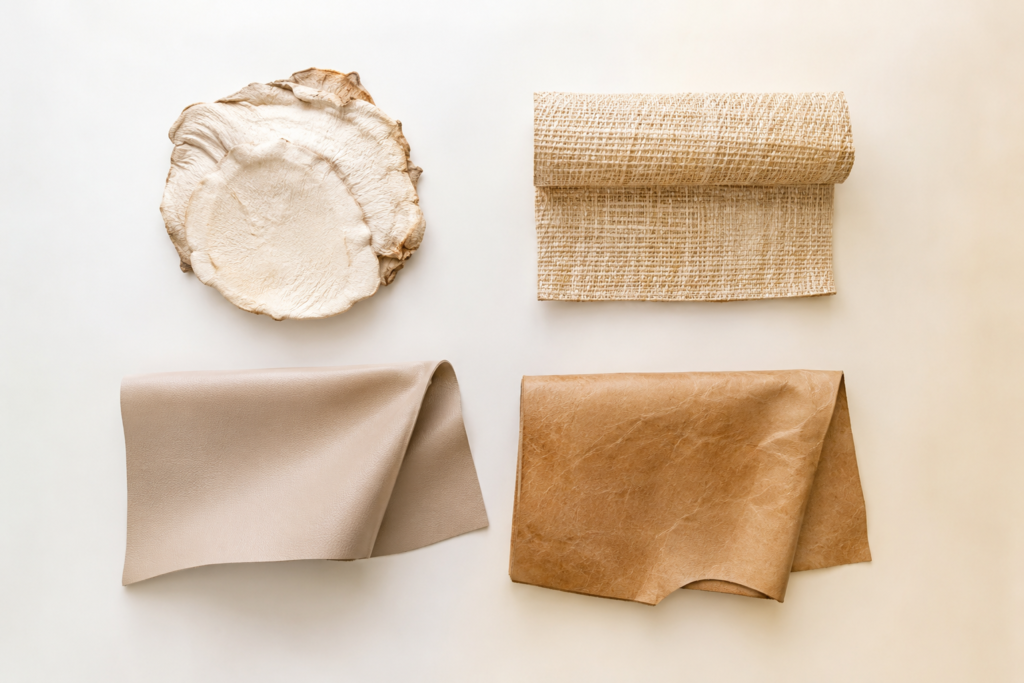
Luxury vegan fashion now features materials like:
- Lab-grown leather: Scientifically identical to animal leather, same durability, created in 2-3 weeks instead of years
- Mushroom-based leather: Mylo leather offers breathability and flexibility matching or exceeding traditional alternatives
- Pineapple fiber (Piñatex): Offers texture and durability of luxury textiles with premium aesthetics
- Apple-based leather: Made from apple pomace waste, creates a surprisingly luxurious finish
These innovations weren’t developed by startup brands. They came from partnerships between luxury houses and biotech companies. Hermès invested in mushroom leather. Stella McCartney pioneered fruit-based alternatives. This represents serious R&D commitment from the world’s most prestigious fashion names.
The technology is now so advanced that blind tastings where luxury experts compare materials without knowing their source often show vegan options scoring equal to or higher than traditional leather on quality metrics.
Consumer Expectations for Premium Sustainable Products
Transparency matters increasingly to luxury consumers. They want to know exactly what they’re buying and why.
Luxury vegan fashion satisfies this expectation through:
- Full material sourcing documentation
- Environmental impact metrics
- Certification from recognized sustainability bodies
- Brand storytelling about ethical production
When Gucci releases a vegan handbag, they don’t hide it. They celebrate it. The vegan narrative becomes part of the luxury story, not a footnote.
Consumers willing to pay $3,000 for a handbag now expect sustainability information at that price point. Luxury vegan fashion delivers what affluent customers demand.
The Economics of Luxury Vegan Fashion
The financial case for luxury vegan fashion is surprisingly strong for luxury houses.
Premium Pricing Power in the Vegan Segment
Most people assume vegan materials cost less to produce. Sometimes they do. But luxury vegan fashion commands the same premium pricing as traditional luxury.
A Burberry vegan trench coat costs as much as the leather version. A Gucci vegan bag sells at identical price points to traditional alternatives. This pricing parity exists because:
- Innovation premium: New technology justifies higher costs
- Ethical premium: Conscious consumers pay more for alignment with values
- Luxury brand premium: The brand name carries weight regardless of material
- Scarcity factor: Limited vegan collections create exclusivity
For luxury brands, this means vegan fashion produces the same profit margins as traditional lines while opening entirely new customer segments. That’s a win-win at scale.
Cost-Benefit Analysis for Luxury Houses
Let’s look at the real numbers for luxury vegan fashion investment:
| Metric | Traditional Luxury Line | Vegan Luxury Line |
|---|---|---|
| Production Cost | $400-600 | $350-550 |
| Retail Price | $2,500-3,500 | $2,500-3,500 |
| Profit Margin | 85-88% | 85-88% |
| New Customer Acquisition | Existing customer base | 30-40% new demographic |
| Brand Value Impact | Stable | Increases (innovation/ethics) |
| Market Growth | 2-3% annually | 15-25% annually |
The numbers tell the story. Luxury vegan fashion costs nearly the same to produce but sells to an expanding market. Growth rates are 5-10x higher than traditional luxury.
For a brand like LVMH with $200B+ in annual revenue, a 15% growth segment in luxury vegan fashion represents billions in incremental value.
Comparison: Traditional vs. Vegan Luxury Fashion
| Factor | Traditional Luxury Fashion | Luxury Vegan Fashion |
|---|---|---|
| Durability | 8-12 years average lifespan | 8-12 years (modern vegan materials) |
| Aesthetic Appeal | Established, recognizable patina | Modern, sleek finishes |
| Environmental Impact | High water/chemical usage, land requirements | Lower impact, lab-controlled production |
| Ethical Concerns | Animal welfare questions | No animal involvement |
| Price Point | Premium ($1,500-$5,000+) | Premium ($1,500-$5,000+) |
| Consumer Perception | Classic, timeless | Innovative, forward-thinking |
| Market Growth | 2-3% annually | 15-25% annually |
| Resale Value | Established secondary market | Rapidly growing resale demand |
| Brand Innovation Narrative | Maintenance of tradition | Leadership in sustainability |
Pros and Cons of Investing in Vegan Fashion
Pros and Cons Table:
| Pros | Cons |
|---|---|
| Attracts 30-40% new customer demographic | Requires R&D investment upfront ($10M-100M+) |
| Same profit margins as traditional luxury | Market perception still evolving in some regions |
| 15-25% annual growth vs. 2-3% traditional | Supply chain for materials less established |
| Positive brand narrative and PR value | Some traditional customers may resist |
| Future-proofs business against regulation | Technology still evolving/improving |
| Captures value-driven affluent consumers | Requires staff retraining and education |
Pros (Detailed Bullets):
- Attracts value-driven affluent consumers: Luxury vegan fashion captures the fastest-growing demographic—affluent, conscious, young consumers willing to pay premium prices for ethical alignment
- Generates positive brand perception: Investing in luxury vegan fashion positions brands as innovative leaders, not followers, improving overall brand value
- Maintains pricing power: Vegan materials support premium pricing identical to traditional luxury, protecting profit margins while expanding markets
- Creates long-term loyalty: Customers who buy luxury vegan fashion become repeat buyers, developing decades-long brand relationships
- Enables business future-proofing: As regulations tighten around animal products, luxury vegan fashion becomes essential rather than optional
Cons (Detailed Bullets):
- Requires significant R&D investment: Developing proprietary vegan materials costs tens to hundreds of millions, straining budgets
- Supply chain immaturity: Unlike established leather supply chains, vegan material sources remain limited and sometimes unreliable
- Market perception challenges: In some regions, “vegan” still carries connotations of compromise rather than premium quality
- Technology evolution risk: Vegan materials rapidly improve; today’s innovation becomes outdated quickly, requiring continuous reinvestment
- Internal resistance from traditional craftspeople: Luxury houses employ master artisans trained in leather work; shifting to vegan materials requires cultural change

How Brands Are Successfully Implementing Luxury Vegan Fashion
Real-world examples show winning strategies for luxury vegan fashion integration.
Step 1: Start with R&D partnerships. Hermès partnered with MycoWorks for mushroom leather. This outsourced innovation while maintaining brand control.
Step 2: Create limited collections first. Launch luxury vegan fashion through exclusive, limited-edition lines. This builds buzz and tests market response without full commitment.
Step 3: Tell the material story. Don’t hide that products are vegan. Celebrate it. Include information cards. Share the innovation narrative. Conscious consumers want to know why materials matter.
Step 4: Maintain price parity. Price vegan collections identically to leather alternatives. Avoid undercutting—it signals vegan materials are inferior.
Step 5: Invest in retail education. Train sales staff to discuss luxury vegan fashion authentically. Employees must understand material benefits, not apologize for the choice.
Step 6: Build secondary market narratives. Develop resale programs specifically for vegan pieces. This creates value perception and customer lifecycle engagement.
Step 7: Partner with sustainability platforms. List products on luxury sustainable marketplaces like The RealReal’s vegan collection or Net-A-Porter’s ethical sections. This amplifies reach to conscious consumers.
For more actionable insights on luxury brand strategy and sustainable business models, visit NextGenDecode.in.
Conclusion: The Future of Luxury Vegan Fashion
Luxury vegan fashion represents the biggest shift in premium fashion since the introduction of synthetic textiles. It’s not a temporary trend or niche movement. It’s a permanent restructuring of how luxury houses think about materials, values, and customer relationships.
The eight reasons outlined here innovation, consumer demand, profitability, market growth, sustainability, ethics, brand positioning, and future-proofing create a powerful, converging argument for investment.
The key insight: Luxury vegan fashion doesn’t cannibalize traditional luxury. It expands it. Brands adopting vegan materials capture new customers without losing existing ones. They position themselves as innovative leaders. They future-proof against regulatory changes. They capture the premium segment’s fastest-growing demographic.
The brands leading this shift today will dominate luxury fashion tomorrow. Those waiting risk being perceived as outdated, not as defenders of tradition.
The future of luxury isn’t about choosing between tradition and innovation. It’s about integrating both. Luxury vegan fashion makes that integration possible.
Start exploring vegan options from your favorite luxury brands. Notice the quality. Experience the innovation. Understand why affluent consumers worldwide are choosing ethical luxury without compromise. The shift is real. The technology works. The market demands it.
Your conscious luxury future starts now.
FAQ: Your Questions About Luxury Vegan Fashion Answered
1.How long does luxury vegan fashion last compared to traditional leather?
Modern vegan materials, especially lab-grown leather and mushroom-based alternatives, last 8-12 years matching or exceeding traditional leather durability. The difference? Vegan materials don’t require breaking in and maintain consistent texture throughout their lifespan.
2.Why is luxury vegan fashion priced the same as traditional luxury?
Luxury vegan fashion commands premium pricing because innovative materials justify higher costs, conscious consumers willingly pay for ethical alignment, and brand prestige extends across all materials equally. The price reflects innovation and values, not material cost alone.
3.Which luxury brands offer the best vegan fashion options?
Burberry, Gucci, Stella McCartney, LVMH brands, and Hermès lead luxury vegan fashion innovation. For specific recommendations, check Forbes and Investopedia’s luxury fashion coverage for updated brand rankings.
4.Is luxury vegan fashion actually better for the environment?
Lab-controlled vegan material production uses significantly less water, fewer chemicals, and no land resources compared to traditional leather. Lifecycle assessments show 30-50% lower environmental impact, though transportation and recycling factors vary by brand.