
Table of Contents
Why Sustainable Leather Production Impact Matters Now
Most people don’t think about where their leather comes from. A leather jacket feels premium. Leather shoes look classy. But here’s what nobody talks about: the sustainable leather production impact on our planet is devastating.
For decades, the leather industry hid behind “natural” marketing. “Real leather is durable,” they said. “It’s biodegradable,” they claimed. What they didn’t mention? The environmental destruction and ethical chaos happening in tanneries across the world.
You care about your brand. You care about your customers. And if you sell products made from leather, you need to understand the real cost not just financially, but environmentally and ethically. The sustainable leather production impact isn’t a niche concern anymore. It’s a business imperative.
This blog reveals 5 hard truths about leather that most brands ignore. By the end, you’ll understand why sustainable alternatives matter, how to source responsibly, and what the future of leather actually looks like.
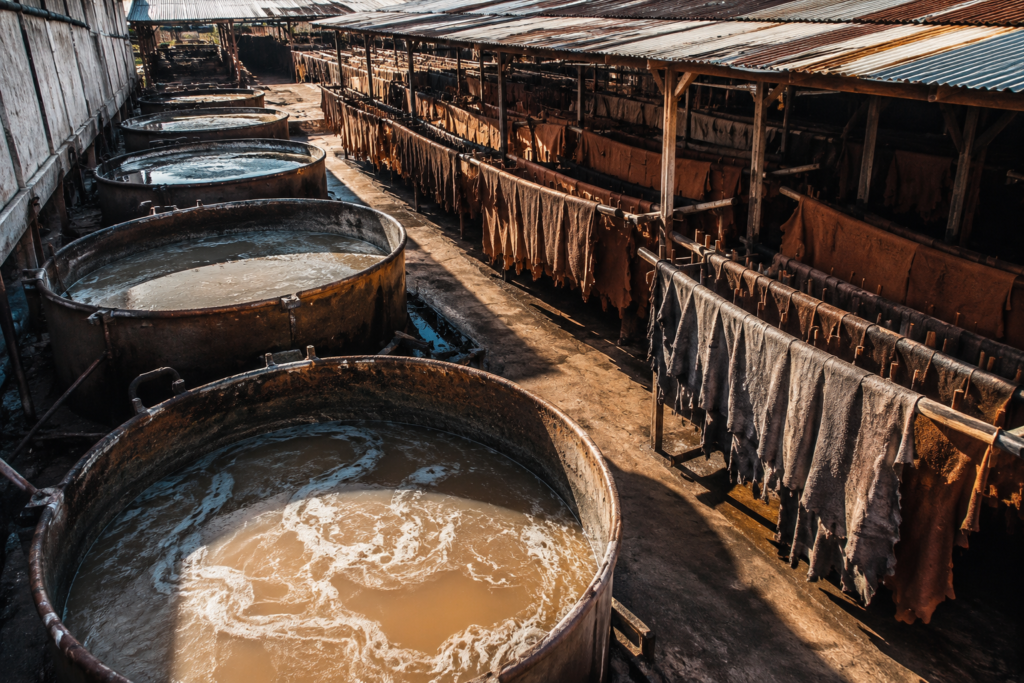
The Hidden Environmental Cost of Leather
When you wear real leather, you’re wearing the consequences of massive environmental destruction. The sustainable leather production impact starts here.
Leather production consumes enormous amounts of natural resources. A single leather jacket requires roughly 50 cattle hides. Raising cattle for leather means clearing forests for pasture, using vast quantities of water, and generating methane emissions one of the most potent greenhouse gases.
But the real damage happens during tanning.
The Carbon Footprint Reality
Leather production generates more carbon per kilogram than most materials. From breeding and raising cattle to transporting hides across continents, leather is a carbon-intensive product.
The tanning process itself uses diesel-powered machinery. Transportation of hides and finished leather products creates additional emissions. A single leather factory can produce thousands of hides monthly, each one leaving a carbon trail.
Traditional Chrome tanning used for 90% of global leather requires energy-intensive heating. The sustainable leather production impact on carbon emissions is measurable and severe. Sustainable alternatives like vegetable tanning produce less carbon, though at higher cost.
For brands concerned about net-zero goals, understanding this carbon footprint is essential. Your customers increasingly ask: Where’s my leather from? How much did it pollute?
Water Pollution from Leather Tanning: The Untold Story
This is where the sustainable leather production impact becomes impossible to ignore.
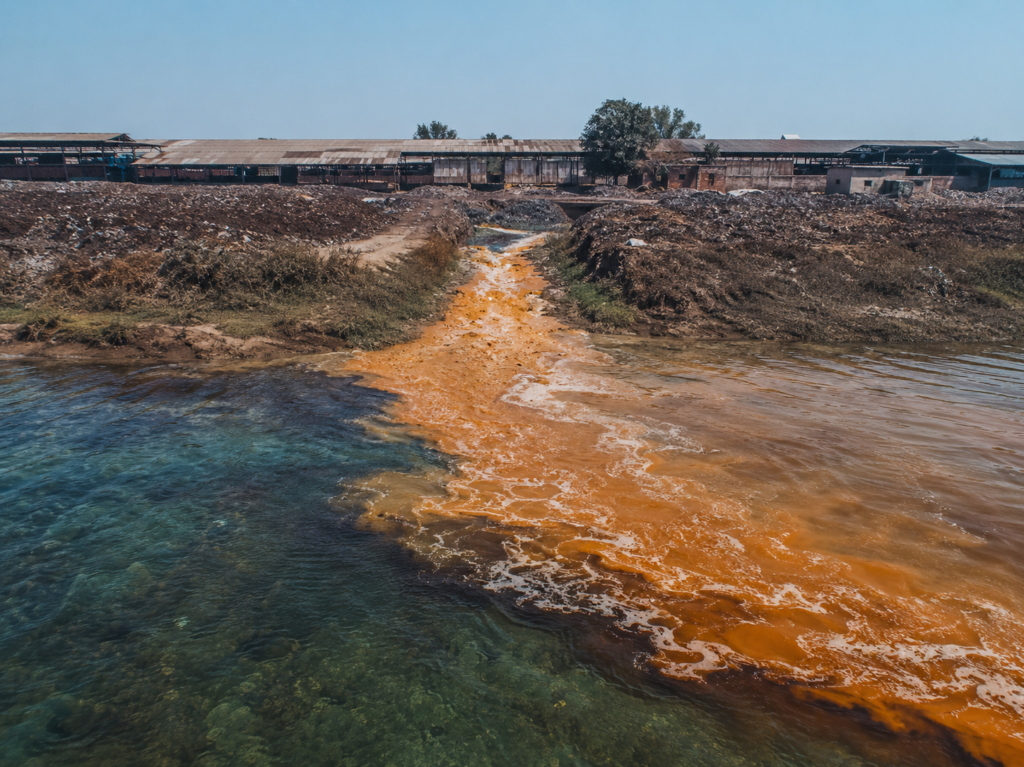
Chrome tanning uses hexavalent chromium a highly toxic chemical. During processing, this chemical contaminates water systems. Tannery wastewater flows into rivers and groundwater, poisoning entire regions.
In Bangladesh, India, and Vietnam the world’s leather capitals tannery pollution has made drinking water unsafe. Children in leather-producing regions develop skin diseases from contaminated water. Fish populations collapse. Entire ecosystems die.
Toxic Chemicals Released During Processing
Leather tanning requires acids, solvents, and metal-based chemicals. A single tannery processes hundreds of hides daily, releasing thousands of gallons of chemically-laden wastewater.
Chromium contamination is just the start. Sulfuric acid, sodium sulfide, and formaldehyde are standard tanning chemicals. These don’t disappear. They accumulate in soil. They seep into aquifers. They eventually reach human populations.
Workers in tanneries breathe toxic fumes without proper ventilation. They develop respiratory diseases, skin conditions, and neurological damage from chemical exposure. The sustainable leather production impact isn’t abstract it’s measured in human suffering.
Understanding Sustainable Leather Production Methods
So what does “sustainable leather production impact reduction” actually look like?
True sustainable leather exists. It’s not common. It’s not cheap. But it’s possible.
How Sustainable Leather Production Differs
Sustainable leather production addresses the three main problems: carbon emissions, water pollution, and toxic chemicals.
Vegetable Tanning: Uses plant-based tannins instead of chromium. Takes longer (weeks instead of hours). Produces biodegradable waste. Creates superior leather quality that ages beautifully. Cost is 40-60% higher than chrome-tanned leather.
Improved Chrome Tanning: Modern facilities use closed-loop systems that recycle chemicals and wastewater. Chromium recovery technology captures and reuses chromium instead of releasing it. Still not perfect, but dramatically reduces environmental impact.
Leather Alternatives: Lab-grown leather, mushroom leather, and pineapple leaf fiber offer genuine alternatives. These emerging materials have lower carbon footprints and zero water pollution from tanning.
Sustainable leather production impact is measurable through certification systems like Leather Working Group Gold rating, which validates environmental standards in tanneries.
Brands choosing sustainable leather make a business statement: “We prioritize environmental responsibility over cost savings.”
Real Leather vs Vegan Alternatives: How They Compare
This comparison reveals the truth that neither side wants to admit.
| Factor | Real Leather (Traditional) | Vegan Leather Alternatives |
|---|---|---|
| Environmental Impact | High carbon, water pollution, toxic chemicals | Lower carbon, but plastic-based alternatives create microplastic pollution |
| Durability | 10-15 years typical lifespan | 2-5 years typical lifespan |
| Biodegradability | 40 years decomposition time | Synthetic alternatives: 500+ years |
| Water Usage | 500 gallons per hide | Minimal water, but chemical-intensive production |
| Worker Safety | Hazardous conditions in tanneries | Factory conditions vary; generally safer |
| Cost | $15-40 per square foot | $8-25 per square foot |
Pros and Cons Table Format:
| Pros | Cons |
|---|---|
| Real leather is incredibly durable, lasting 10-15 years with proper care | Traditional tanning creates severe water pollution and toxic chemical release |
| Natural material biodegrades eventually without creating microplastics | Chrome tanning uses hexavalent chromium, a known carcinogen |
| Develops unique patina and character over time, aging beautifully | Requires massive water resources (500+ gallons per hide) |
| Superior craftsmanship and texture that alternatives struggle to replicate | Leather industry contributes significantly to deforestation for cattle ranching |
Pros (Detailed Bullets):
- Longevity & Value: Quality leather products last 10-15 years, reducing per-year environmental cost compared to fast-fashion alternatives replaced annually.
- Natural Material: Comes from renewable livestock byproducts, though the sustainable leather production impact varies by source and tanning method.
- Aesthetic Quality: Develops unique character with use; vintage leather becomes more valuable, not less—encouraging long-term ownership and reducing waste.
- Established Supply Chains: Leather industry infrastructure exists globally, though this doesn’t excuse poor environmental practices.
Cons (Detailed Bullets):
- Water Contamination Crisis: Leather tanning is the third-largest industrial water polluter, with single tanneries releasing 20,000+ gallons contaminated wastewater daily.
- Chemical Toxicity: Hexavalent chromium and other heavy metals persist in soil and water for decades, harming ecosystems and human health in producing regions.
- Hidden Emissions: Cattle ranching drives deforestation (leading cause of Amazon destruction), plus methane emissions make leather’s carbon footprint massive even before tanning.
- Labor Exploitation: Workers in tanneries face exposure to carcinogenic chemicals without proper safety equipment or regulations in most producing countries.
Ethical Problems in Modern Leather Supply Chains
Environmental damage is only half the story. The sustainable leather production impact extends to human exploitation.
The leather industry employs millions of workers in developing countries, primarily in India, Bangladesh, Vietnam, and Indonesia. Most earn less than $5 daily. Most work without safety equipment or union protection.
Labor Exploitation Issues
Workers in leather tanneries face conditions that would be illegal in developed nations. No gloves when handling chemicals. No respirators in toxic fume environments. No access to medical care when chemical poisoning occurs.
Skin diseases are endemic in tannery communities. Children as young as 12 work in tanneries because regulations aren’t enforced. Families in leather-producing regions have generational health problems from chemical exposure.
This is the hidden cost brands don’t advertise.
Chemical Exposure in Tanneries
Chromium exposure causes lung cancer, kidney failure, and severe dermatitis. Formaldehyde exposure causes respiratory disease and cancer. Sulfuric acid causes chemical burns. Yet workers handle these substances daily without proper protection.
An independent study found that 20% of workers in certain Indian tanneries have severe respiratory disease by age 35. This isn’t unavoidable. It’s preventable with investment in safety.
The sustainable leather production impact must include worker protection, not just environmental metrics.
How to Choose Sustainable Leather Products
If your brand uses leather, here’s how to source responsibly.
Step 1: Know Your Brand's Source
Ask suppliers direct questions:
- Where are hides sourced from?
- Which tannery processes the leather?
- What tanning method is used?
- Does the tannery have environmental certification?
Vague answers indicate suppliers hiding problems. Reputable suppliers provide detailed sourcing information.
Step 2: Verify Sustainable Certification
Look for these certifications indicating sustainable leather production impact reduction:
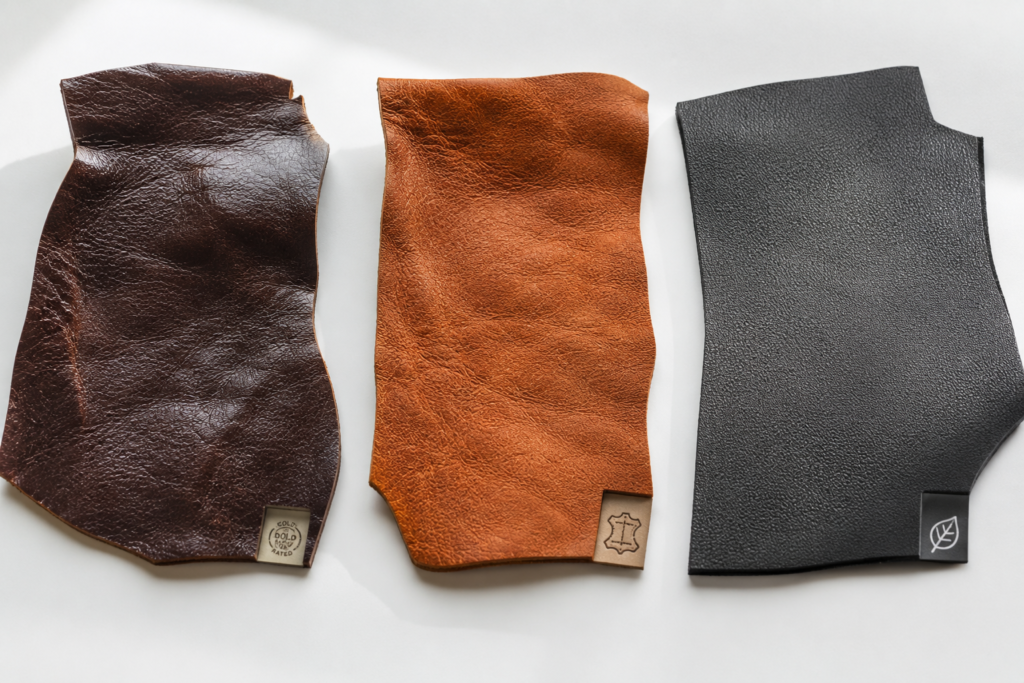
Leather Working Group (LWG): Gold or Silver rating means environmental standards met. Audits tanneries for water treatment, waste management, and chemical handling. Most credible leather certification available.
Certified B Corp: Benefit Corporations meet social and environmental standards. Indicates company-wide commitment beyond just leather.
OEKO-TEX Leather Standard: Verifies chemical safety and worker protection standards in tanning facilities.
Regenerative Organic Certified: For leather from regenerative ranching practices that actually improve soil health.
Single certifications are good. Multiple certifications indicate serious commitment.
Step 3: Calculate True Cost
Sustainable leather costs 30-60% more than conventional leather. This isn’t greed. It’s the real price when you account for environmental and human costs.
Calculate total cost of ownership: If sustainable leather lasts 15 years and conventional lasts 7 years at half price, sustainable leather is actually cheaper per year.
Internal link for sustainable sourcing resources: https://nextgendecode.in/

Conclusion
The sustainable leather production impact is no longer a future concern. It’s happening now, affecting ecosystems and human communities globally.
Real leather isn’t automatically evil. And vegan alternatives aren’t automatically good. But ignoring the true cost of leather production is indefensible.
Here’s what you need to do: Audit your leather sources. Ask questions. Demand transparency. If your suppliers can’t explain their environmental practices and worker protections, find suppliers who can.
The brands leading the leather industry’s transformation aren’t the ones cutting corners. They’re the ones willing to pay more for leather from responsible tanneries. They’re the ones switching to vegetable-tanned or lab-grown alternatives. They’re the ones making sustainable choices despite higher costs.
Your customers care about this. And increasingly, they’ll vote with their wallets.
The leather industry can change. But it requires brands like yours to demand better. Start today. Your planet depends on it.
FAQ: Common Questions About Leather Production Impact
1.Is real leather truly sustainable if it comes from cattle ranching?
Not entirely. Cattle ranching drives deforestation and generates methane emissions regardless of how carefully tanning is handled. However, using byproducts from meat production (hides that would otherwise waste) is more sustainable than growing plants specifically for fabric. The key is regenerative ranching that improves soil health, not industrial feedlots.
2.What makes leather production unethical beyond environmental damage?
Worker exploitation in tanneries is severe. Lack of safety equipment, chemical exposure without protection, minimal wages, and child labor in some regions create human suffering. Ethical leather sourcing requires verified worker protections and fair compensation, not just environmental standards.
3.How long does it take for real leather to biodegrade?
Quality leather biodegrades in 40-50 years under normal conditions. However, this depends on tanning method and environmental factors. Chrome-tanned leather may persist longer due to metal content. Vegetable-tanned leather biodegrades faster and more safely.
4.Are lab-grown and mushroom leather alternatives actually better than real leather?
It depends on your values. Lab-grown leather eliminates animal ranching, water pollution from tanning, and worker exploitation. However, these technologies are new with limited longevity data. If durability matters (10+ year lifespan), proven materials may be better than experimental alternatives. Choose based on your brand’s values.
5.Can I tell if leather is sustainably produced just by looking at it?
No. Visual inspection reveals nothing about sourcing or tanning methods. Require documentation: sourcing region, tannery name, certification status, and chemical processes used. Transparency is the only indicator of sustainable leather production impact management.