
Table of Contents
Introduction
A friend once paid double for a reusable water bottle because the packaging looked “earth friendly.” Months later, she discovered the brand had poor environmental practices. Stories like this are common today. Green consumer myths influence millions of buyers every day, especially when brands use emotional marketing instead of facts.
Most people genuinely want to help the planet. However, confusing labels and viral trends often hide the truth. This guide explains what sustainability really means, why consumers get misled, and how smarter shopping habits can create real impact without wasting money.

Why Green Consumer Myths Spread So Fast
People trust labels too quickly
Most buyers make decisions in seconds. Because of this, companies use green colors, leaves, and words like “natural” or “clean” to create trust instantly.
According to Wikipedia’s guide on greenwashing, many brands exaggerate environmental claims without giving clear proof. This creates confusion for consumers who already feel overwhelmed by sustainability topics.
Several reasons make these myths spread faster:
- People want simple answers
- Eco labels look trustworthy
- Social media rewards emotional content
- Buyers rarely check certifications
- Marketing often sounds scientific
Consumers also assume popular brands must be ethical. Sadly, popularity does not always equal responsibility.
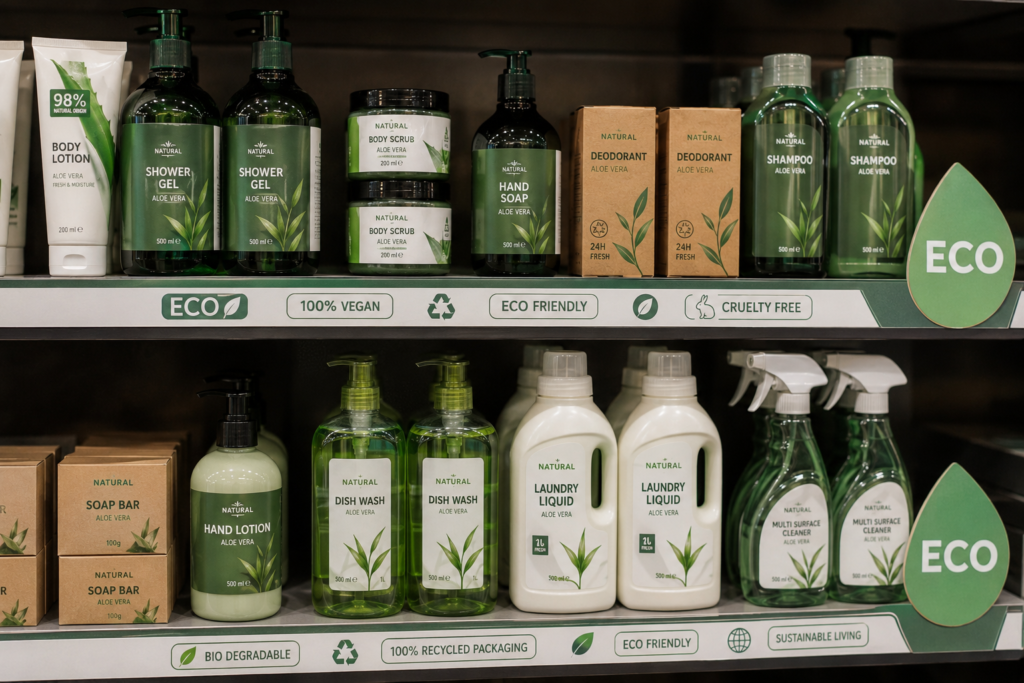
Green Consumer Myths in Product Packaging
Green consumer myths about recycled packaging
One common belief is simple. If packaging looks recyclable, the product must be sustainable. That is often false.
Some companies use tiny amounts of recycled material while promoting the product as environmentally responsible. Others use recyclable packaging that local recycling systems cannot process.
A report from Forbes sustainability coverage explains how consumer trust in eco packaging keeps growing despite inconsistent standards.
Here are common packaging tricks:
| Marketing Claim | Reality |
|---|---|
| “Eco friendly” | Often undefined |
| “Natural ingredients” | May still harm ecosystems |
| “Recyclable” | Depends on local systems |
| “Carbon neutral” | Sometimes based on offsets only |
| “Biodegradable” | Requires special conditions |
Consumers need to look beyond colors and slogans. Real sustainability includes sourcing, manufacturing, transport, and waste management.
The Real Cost of Sustainable Products
Expensive does not always mean eco friendly
Many people believe higher prices automatically mean ethical production. Brands understand this psychology very well.
Luxury sustainable branding has become a huge industry. Yet some expensive products still rely on harmful supply chains. Meanwhile, smaller local businesses may operate more responsibly at lower prices.
Smart buyers should ask:
- Does the brand share sourcing details?
- Are certifications transparent?
- Is the product durable?
- Does the company publish sustainability reports?
- Can the product be reused or repaired?
Price matters less than long term environmental impact.
How Social Media Shapes Eco Buying Decisions
Viral trends change buying behavior fast
Social media pushes sustainability trends every week. One month it is reusable cups. Another month it becomes bamboo products or refill stations.
While awareness is positive, trend culture creates problems too.
Some creators promote products only because they look aesthetic online. Others repeat misleading information without research. As a result, audiences confuse popularity with responsibility.
The biggest issue is performative sustainability. People sometimes buy products just to appear environmentally conscious.
Still, social platforms also educate millions. Responsible creators help users understand ethical sourcing, recycling systems, and waste reduction.
Brands That Practice Real Sustainability
How to spot truly responsible brands
Not every brand uses fake sustainability messaging. Some companies genuinely reduce waste and improve transparency.
Look for these signs:
- Clear sourcing information
- Third party certifications
- Public environmental goals
- Repair or refill programs
- Honest communication about limitations
Brands that admit imperfections often feel more trustworthy than companies claiming perfection.
Green consumer myths shoppers still believe
Several myths continue influencing buyers today:
- “Plastic free” always means sustainable
- Vegan products always reduce emissions
- Small brands are automatically ethical
- Carbon offsetting solves everything
- One eco purchase creates huge impact
Real sustainability depends on habits, not one time purchases.
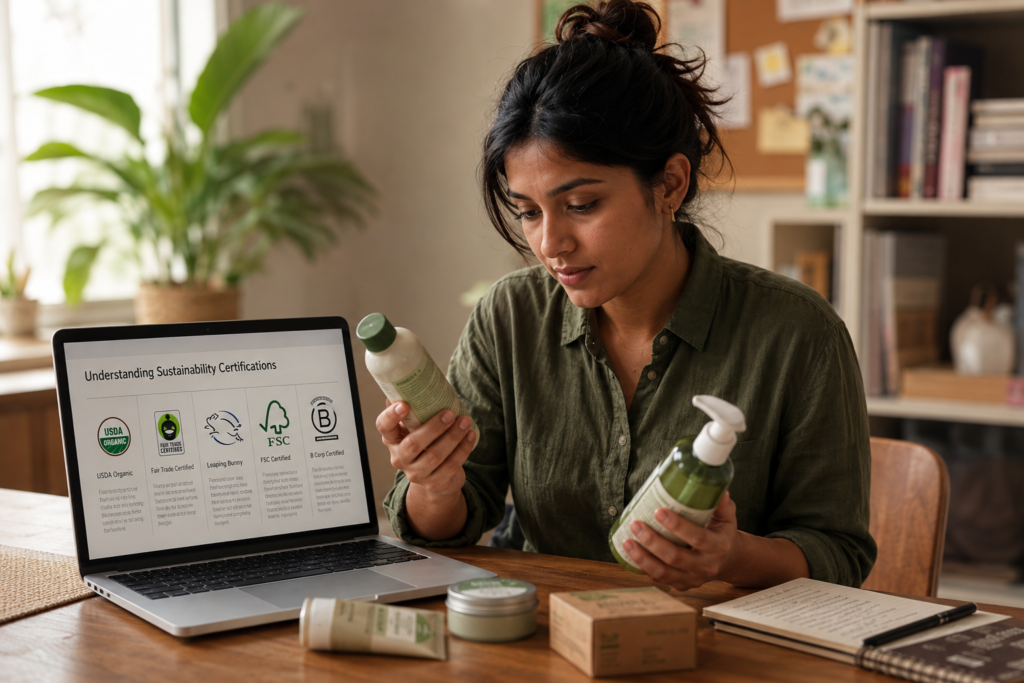
Smart Habits for Better Sustainable Shopping
Simple actions usually create bigger impact than trendy purchases.
Helpful habits include:
- Buying fewer but better quality items
- Repairing products before replacing them
- Supporting local businesses
- Reading ingredient and sourcing details
- Avoiding impulse trend purchases
- Reusing products longer
Small consistent choices matter more than expensive viral products.
Pros and Cons of Sustainable Consumer Trends
Pros
- Encourages environmental awareness
- Pushes companies toward transparency
- Reduces unnecessary waste
- Supports ethical innovation
- Inspires better consumer education
Cons
- Creates confusion through marketing
- Encourages expensive trend buying
- Makes consumers feel guilty
- Rewards appearance over impact
- Spreads misinformation quickly
Practical Guide to Shopping Smarter
- Research brands before buying
- Ignore vague green slogans
- Prioritize durability over trends
- Buy only what you truly need
- Learn local recycling rules
- Compare certifications carefully
- Follow trusted sustainability educators
{Explore more consumer awareness resources on NextGenDecode}

Conclusion
Sustainability should feel practical, not confusing. The biggest lesson from these six truths is simple. Marketing often shapes perception more than reality.
Consumers need to question labels, compare facts, and avoid emotional impulse buying. Small thoughtful habits usually help the environment more than expensive trend driven purchases.
The smartest shoppers are not perfect. They simply stay curious, informed, and honest about their choices.
FAQ
What are the biggest myths about sustainable shopping?
Many shoppers believe eco packaging always means ethical production. Others think expensive products must be sustainable. Both ideas can be misleading without proof.
Why do eco friendly products cost more?
Some products use better materials and ethical labor practices. However, many brands also charge premium prices because sustainability marketing attracts buyers.
How can buyers avoid greenwashing?
Consumers should research certifications, read sustainability reports, and avoid trusting vague marketing words like “natural” or “clean.”
Is sustainable shopping really effective?
Yes. Small consistent habits reduce waste and support better business practices over time. Long term behavior matters more than one viral purchase.
Do reusable products always help the environment?
Not always. Some reusable products require heavy manufacturing resources. Their benefit depends on how often they are actually reused.