
Table of Contents
Introduction to Vegan Leather Sustainability
Walking into any modern fashion store, you’ll see a flood of vegan leather sustainability labels promising guilt-free style. Brands proudly market their cruelty-free alternatives as the future of fashion. But here’s the uncomfortable truth: the story is far more complicated than the marketing suggests.
Vegan leather sustainability isn’t a simple yes-or-no question. It’s a messy reality hiding behind beautiful promises and thoughtful branding. Some vegan leather alternatives genuinely reduce environmental damage. Others are just traditional plastic in a more appealing package. And the really tricky part? Most consumers can’t tell the difference.
This honest breakdown cuts through the noise. We’ll explore what vegan leather actually is, expose the production realities most brands hide, and help you make choices that truly matter. Because real sustainability isn’t about feeling good it’s about knowing what’s actually happening behind the product you buy.
Let’s start with the hardest question: Is vegan leather sustainability even real, or are we all just paying premium prices for better marketing?
What Is Vegan Leather Really Made Of?
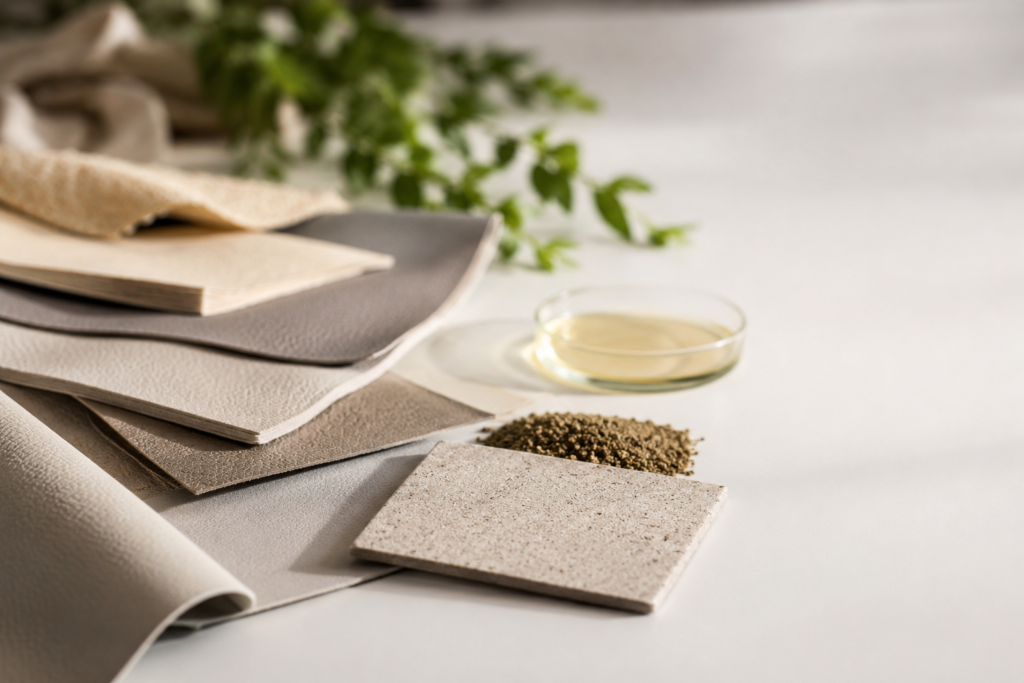
Most people think vegan leather is some magical plant-based material. The reality? It’s more complicated and less glamorous than the marketing suggests.
Common Materials in Vegan Leather
The three most common vegan leather materials tell very different stories about vegan leather sustainability.
Polyurethane and PVC form the backbone of 60% of vegan leather products. These are plastics straight-up petroleum derivatives. They’re durable, flexible, and look fantastic. They’re also microplastics waiting to happen. When that trendy vegan leather jacket eventually ends up in a landfill (average lifespan: 5-7 years), it’s not decomposing. It’s fragmenting into pieces that will contaminate soil and water for centuries.
Pineapple leather (Piñatex) sounds revolutionary. Manufacturers use pineapple leaf waste—agricultural byproduct that would otherwise be discarded. This actually solves a problem. It reduces waste, supports farmers, and creates a leather-like material without animals. Here’s the catch: it’s blended with plastic backing to be durable. You’re getting 80% plant material and 20% petroleum-based glue. Better? Absolutely. Perfect? Not even close.
Mushroom leather and lab-grown alternatives represent the newest frontier. Companies like Bolt Threads and MycoWorks grow leather from mycelium (mushroom roots). These materials genuinely biodegrade. They’re grown in weeks, use minimal water, and create zero waste. But they cost 3-4 times more than traditional vegan leather. Right now, they’re the real deal they’re just not accessible to most consumers.
The problem: brands mixing these materials and calling them all equally “sustainable.” That’s where the deception starts.
The Environmental Cost of Vegan Leather Production
Here’s what gets buried in the marketing materials: vegan leather sustainability requires looking at the complete production process, not just the final product.
Hidden Production Impacts
Manufacturing synthetic vegan leather demands significant energy. A single pair of vegan leather shoes generates roughly 1.2 metric tons of CO2 equivalent when accounting for raw material extraction, factory processing, chemical treatments, and transportation. Traditional leather generates 1.8 metric tons for the same shoe. That’s better—but not zero. And that comparison doesn’t account for the fact that leather lasts twice as long.
Chemical processing is where vegan leather really struggles. Converting plastic into leather-like material requires softeners, colorants, and waterproofing agents. Many manufacturers use toxic chemicals including phthalates and heavy metals. These chemicals leach into water supplies near factories. Workers in developing countries (where most vegan leather is manufactured) face direct exposure to substances linked to reproductive harm and cancer.
Chemical Processing Realities
The microfiber problem compounds the damage. Polyurethane vegan leather sheds microscopic fibers every time you wash it. Each garment releases an average of 1-5 micrograms per wash cycle. These particles end up in oceans and drinking water. Marine life mistakes them for food. Humans now have microplastics in their blood.
Traditional leather has this problem too, but here’s the difference: leather biodegrades. Vegan leather doesn’t. You’re creating a permanent pollution problem for the sake of feeling ethical about not using animals.
That’s the uncomfortable centerpiece of the vegan leather sustainability debate.
Greenwashing: When Vegan Leather Sustainability Is Marketing
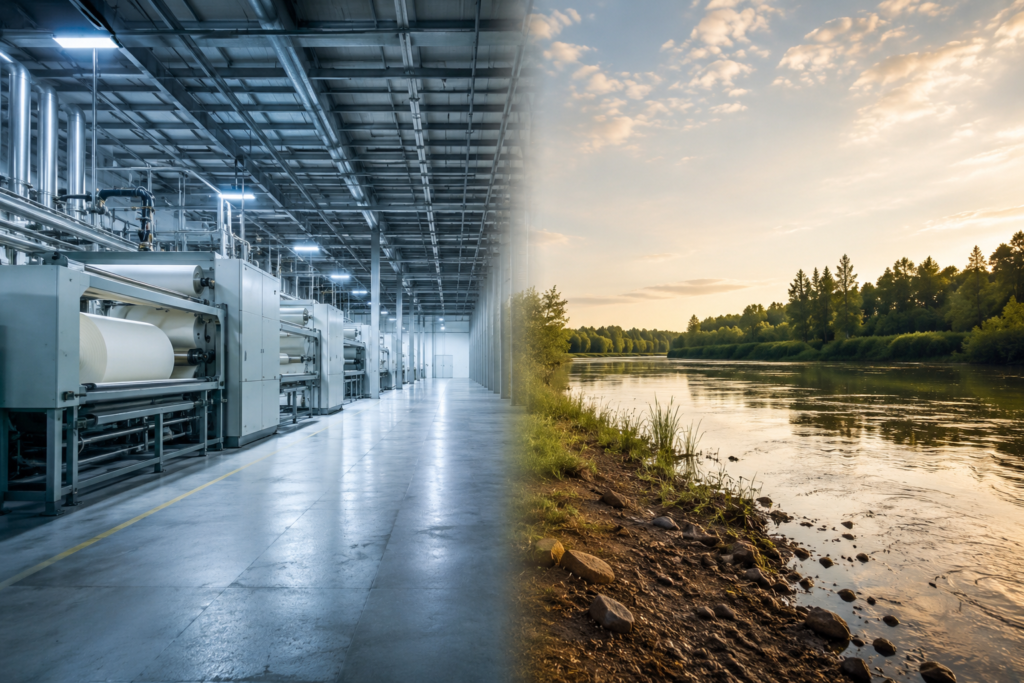
Greenwashing in the vegan leather industry is rampant. It’s not always intentional deception—sometimes it’s just selective storytelling.
Why Brands Claim Sustainability
Fashion companies face intense pressure to appear ethical. A survey from Conscious Consumer Research found that 73% of millennial and Gen Z consumers actively seek sustainable products. That’s a massive market incentive.
The clever move: highlight one good thing and make it the entire narrative. A brand uses pineapple leaf waste (genuinely sustainable) but doesn’t mention the plastic backing and toxic adhesives. Another company says “vegan” and hopes consumers don’t ask what it’s made from.
Here’s a real example: A popular luxury brand launched a vegan leather collection marketed with beautiful sustainability language. The material is 85% polyurethane and 15% fabric backing. The campaign featured images of rainforests and biodiversity. The actual product? A synthetic plastic alternative that will never biodegrade and was manufactured in a factory with documented labor violations.
This is greenwashing perfected: take one element of sustainability, amplify it relentlessly, and bury the rest in fine print on the website.
Consumer Impact:
You pay premium prices for “sustainable” products that create the same environmental problems they claim to solve. A vegan leather handbag might cost $180 while a traditional leather version costs $120. The extra $60 goes to marketing and brand positioning not to solving environmental problems.
Comparing Vegan Leather Sustainability vs. Real Leather
The comparison that nobody wants to have: which is actually worse for the planet?
| Metric | Vegan Leather | Traditional Leather |
|---|---|---|
| Carbon emissions | 1.2 MT CO2 per shoe | 1.8 MT CO2 per shoe |
| Biodegradability | Non-biodegradable (centuries) | Biodegradable (40+ years) |
| Water usage | 50 gallons per shoe | 2,100 gallons per shoe |
| Chemical toxicity | High (plastic processing) | Moderate (tanning chemicals) |
| Lifespan | 5-7 years average | 10-15 years average |
| Manufacturing jobs | Low skill, low wage | Mixed skill levels |
| Microplastic shedding | Yes, continuous | No |
The complication: This chart oversimplifies. Real leather comes with serious animal welfare concerns and significant water pollution from tanning operations. Vegan leather replaces animal suffering with microplastic pollution. Neither option is “good”—they’re different trade-offs.
Durability and Real-World Impact
This is the metric that rarely gets discussed: durability determines true environmental impact. A jacket you wear for 15 years creates less total environmental damage than three jackets you throw away after 5 years each.
Traditional leather wins here dramatically. Quality leather shoes last 10-15 years with proper care. Premium vegan leather lasts 5-7 years before degrading. That means you’re buying three vegan leather items for every one traditional leather item—multiplying your environmental footprint by 3x, even if each individual unit has a smaller carbon footprint.
This is why the vegan leather sustainability conversation is so misleading. The marketing focuses on production impact while ignoring use-phase impact. The real number that matters: total environmental damage across the entire lifespan of the product.
Pros and Cons of Vegan Leather Sustainability
| Pros | Cons |
|---|---|
| No animal suffering or exploitation | Creates permanent microplastic pollution |
| Lower water usage in production | Most vegan leather still uses plastic |
| Cruelty-free manufacturing process | Often has toxic chemical processing |
| Accessible pricing for ethical consumers | Poor durability creates waste multiplier |
Pros (Detailed):
- No animal harm. The most honest advantage: you’re not contributing to livestock farming, which causes massive environmental and ethical problems beyond the leather itself. For many consumers, this matters more than the microplastic question.
- Lower water consumption. Synthetic materials use far less water than leather tanning (which requires 2,100 gallons per hide). This is a real sustainability advantage in water-scarce regions.
- Innovation opportunity. The demand for vegan leather drives research into genuinely sustainable alternatives like mushroom leather. Without this pressure, these innovations wouldn’t exist.
- Accessible ethics. Vegan leather is more affordable than high-quality leather. It democratizes ethical purchasing, allowing cost-conscious consumers to avoid animal products.
Cons (Detailed):
- Microplastic pollution. Every wash sheds tiny plastic particles that persist in ecosystems forever. This is a real, measurable, irreversible problem most marketing ignores.
- Petroleum dependency. Most vegan leather is still plastic. You’re not escaping fossil fuels; you’re just changing the form. Trading livestock farming for oil extraction isn’t necessarily better.
- Short lifespan. Five-year durability means buying more frequently. This multiplies environmental impact despite lower production footprint per unit. The math doesn’t favor vegan leather when you account for total lifecycle.
- Toxic manufacturing. Production involves heavy metals, phthalates, and other chemicals harmful to workers and nearby communities. These human costs rarely appear in sustainability discussions.
How to Spot Genuinely Sustainable Vegan Leather Brands
Transparent Certifications Matter
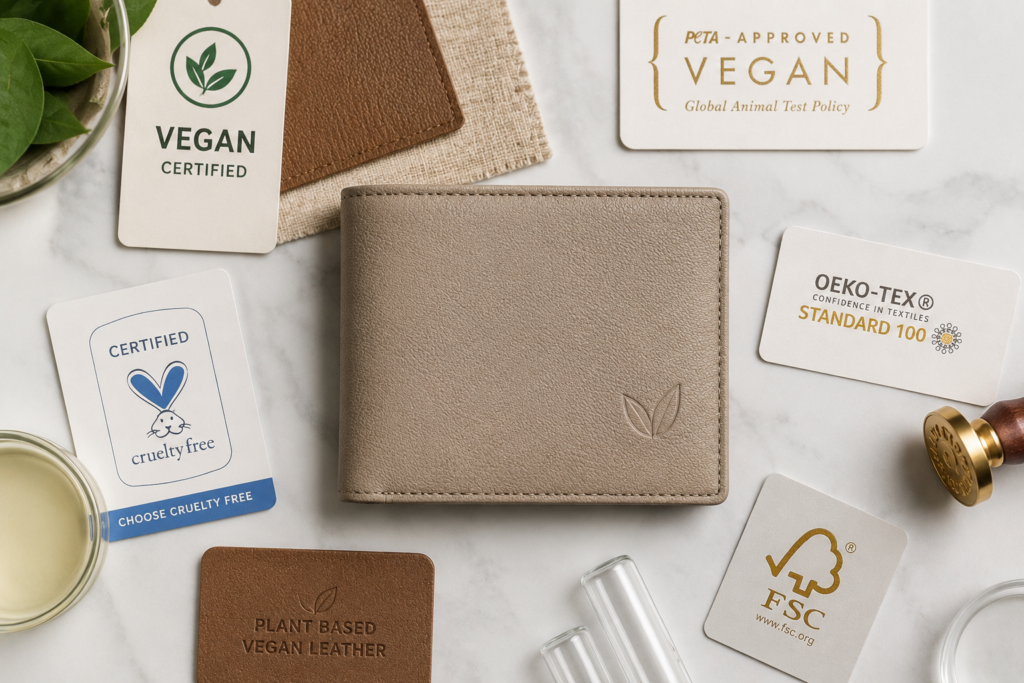
Here’s the honest test: Real sustainable brands publish third-party certifications. They don’t hide behind vague language.
Look for these specific certifications:
- GOTS (Global Organic Textile Standard): Third-party verified organic materials
- Cradle to Cradle Certified: Comprehensive environmental and social responsibility auditing
- OEKO-TEX Standard 100: Verification that textiles are tested for harmful substances
- Fair Trade Certified: Ensures ethical labor practices in manufacturing
Skip brands that use made-up certifications or vague terms like “eco-friendly” without verifiable proof. If a company can’t show you the certification, they probably don’t have it.
Real sustainable leather brands include:
- Reformatt (uses recycled ocean plastic and mushroom leather)
- Bolt Threads (mycelium-based leather)
- Elvis & Kresse (upcycled fire hose transformed into genuine sustainable products)
- Patagonia (transparent about materials and manufacturing)
Notice the pattern? Genuinely sustainable brands cost more and talk less. They let certifications do the speaking.
Practical Guide: Making Smarter Leather Choices Today
Stop trying to find a perfect option. None exists. Instead, focus on reducing total consumption.
Step 1: Buy Less, Buy Quality The most sustainable product is the one you don’t buy. If you must purchase leather alternatives, invest in durability. A $200 vegan leather piece lasting 7 years beats a $80 piece lasting 2 years. The math works against fast fashion.
Step 2: Choose Timeless Over Trendy Fashion trends accelerate waste. A classic black leather jacket will stay relevant for years. That trendy color-blocked design will feel dated in one season.
Step 3: Research Manufacturing Location Where is it made? China and Vietnam manufacture most synthetic leather, but environmental and labor standards vary dramatically by facility. Ask brands directly about their manufacturing partners.
Step 4: Prioritize Durability Ask the brand: “What’s the average lifespan of this product?” If they can’t answer honestly, that’s your answer.
Step 5: Care for What You Own Use proper cleaning and conditioning products. Repair when possible instead of replacing. A well-maintained leather piece lasts twice as long.
For more guidance on making sustainable choices, explore our detailed resource on ethical consumption at https://nextgendecode.in/
Conclusion: The Real Truth About Vegan Leather Sustainability
The vegan leather sustainability question doesn’t have a clean answer. It has trade-offs, compromises, and uncomfortable truths that don’t fit neatly into marketing copy.
Vegan leather reduces animal suffering. That matters. It uses less water than leather tanning. That’s measurable. It also creates permanent microplastic pollution and typically lasts half as long as quality leather. Both are real.
Here’s the actionable insight that actually changes things: Stop looking for perfect alternatives. Start buying less. The most sustainable garment is the one that stays in your closet for years, regardless of whether it’s leather or vegan leather.
Choose quality over quantity. Demand transparency from brands. Skip the guilt-driven purchasing that makes you feel ethical without making you think critically. Read certifications instead of marketing promises. Support companies that publish actual data.
Real sustainability doesn’t feel good it feels inconvenient. It means asking uncomfortable questions, paying attention to details, and sometimes choosing less fashionable options. But that’s where actual change happens, one honest purchase at a time.
FAQ Section
1. Is vegan leather actually better for the environment than real leather?
It depends on which metrics you’re measuring. Vegan leather uses less water and produces fewer emissions per unit. But traditional leather lasts longer, meaning you buy fewer items total. When you account for lifespan and durability, traditional leather often creates less total environmental impact. The best choice is buying less of either option.
2.What’s the difference between vegan leather and pleather?
They’re essentially the same thing. “Vegan leather” is the marketing term. “Pleather” is the older, less flattering name. Both describe synthetic leather made from plastic-based materials. The terminology changed because “vegan” has positive associations while “pleather” sounds cheap and fake.
3.Can vegan leather biodegrade?
Most common vegan leather cannot biodegrade. Polyurethane and PVC will persist for hundreds of years. Newer alternatives like mushroom leather genuinely biodegrade, but they’re still expensive and rare. When shopping, assume standard vegan leather won’t decompose.
4.How can I tell if a brand is greenwashing about vegan leather sustainability?
Red flags: vague language (“eco-friendly,” “natural”), no third-party certifications, focus on one small aspect while ignoring production methods, premium pricing without transparent explanation, and marketing that emphasizes emotion over facts. Genuine sustainable brands provide specific data about manufacturing, materials, and environmental impact.
5.What’s the most sustainable leather alternative available today?
Mushroom leather (mycelium-based) is genuinely sustainable: it biodegrades completely, uses minimal resources, and creates zero waste. It’s also 3-4 times more expensive than standard vegan leather. For cost-conscious consumers, upcycled materials from companies like Elvis & Kresse offer the best balance of affordability and ethics.