
Table of Contents
Introduction: Why That ₹500 Soap Feels Better Than the ₹50 One
You pick up two soaps at the store. One costs ₹50. One costs ₹500. Both clean your hands. But something in your brain says the expensive one must be better. You might even smell it differently. That feeling has a name pricing psychology.
Pricing psychology is the study of how price shapes what people believe, feel, and decide. Premium brands have mastered this. Budget brands often ignore it entirely and that’s why the same quality product can feel completely different depending on its price tag.
By the end of this post, you will understand exactly why that happens, how brands use it on purpose, and how you can use that knowledge whether you’re buying or selling.
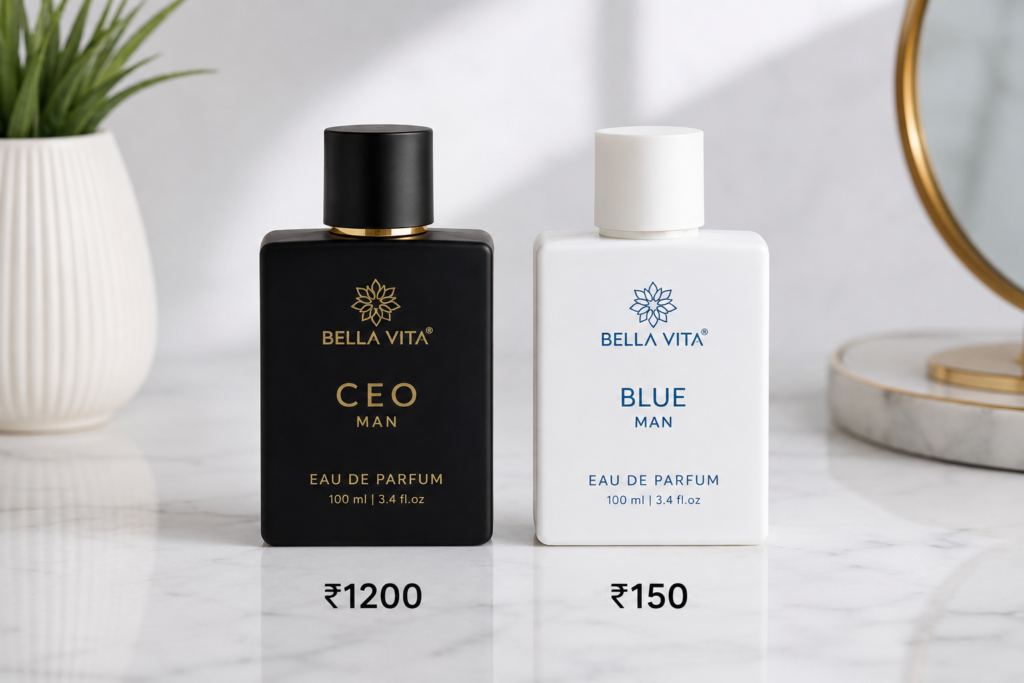
How Pricing Psychology Works in the Real World
Most people think price is just a number. It tells you how much something costs. Simple, right? Not even close.
Price is actually a signal. It tells your brain whether something is valuable, trustworthy, and worth your attention. High price equals high quality – at least, that’s what your brain assumes by default. This is called perceived value, and it is one of the most powerful forces in all of consumer buying behavior.
A study shared on Psychology Today found that people actually rated an identical wine as tasting better when they were told it cost more. The price changed the experience – not the product. That’s how deep this goes.
Budget brands often price low to compete. But that low price can accidentally signal low quality – even when the product is perfectly good. Premium brands do the opposite. They price high on purpose, because the high price is the message.
Understanding this is the first step to thinking clearly about money, brands, and the choices you make every day.
5 Smart Ways Brands Use Pricing Psychology
1. Price Anchoring: The First Number Wins
Ever walked into a store and seen a product marked “Was ₹2,000 – Now ₹1,200”? That original ₹2,000 is called the anchor. Your brain locks onto it first. Everything after that gets compared to the anchor – so ₹1,200 suddenly feels like a steal.
Premium brands use anchoring constantly. They show you their most expensive product first. After seeing a ₹15,000 watch, a ₹7,000 one feels almost affordable. Budget brands often skip anchoring entirely, which means they lose the chance to shape how their price is perceived.
2. The Charm Pricing Effect (₹999 vs ₹1000)
This one is almost too simple – but it works every single time. Pricing something at ₹999 instead of ₹1,000 feels dramatically cheaper, even though the difference is just one rupee.
Your brain reads left to right. It processes the “9” before it processes the rest of the number. So ₹999 gets filed under “nine hundred” while ₹1,000 feels like a whole different budget category. Charm pricing is used across budget brands especially – it makes low prices feel even lower without sacrificing much revenue.
3. Premium Packaging and Pricing Psychology
Packaging is pricing psychology made physical. A premium brand wraps their product in matte black boxes, uses heavy paper, and includes a ribbon. A budget brand uses plastic and a sticker. Same product, completely different experience.
The packaging signals that the price is justified. When something looks expensive, people assume it is expensive – and that the quality must match. This is why unboxing experiences became a marketing strategy. Brands like Apple have spent millions perfecting the feeling of opening a box, because that moment shapes how you value the product inside.
4. Scarcity and Urgency Pricing Tactics
“Only 3 left in stock.” “Offer ends tonight.” Sound familiar?
Scarcity pricing is a psychological trigger based on a simple human truth: we want things more when we might not be able to get them. Premium brands use limited editions and exclusive drops to manufacture scarcity. Budget brands use countdown timers and low-stock alerts on e-commerce sites.
Both tactics work. But premium brands use scarcity to build status, while budget brands use it to push quick conversions. The emotional response is slightly different – desire for exclusivity versus fear of missing a deal.
5. The Decoy Effect in Pricing Psychology
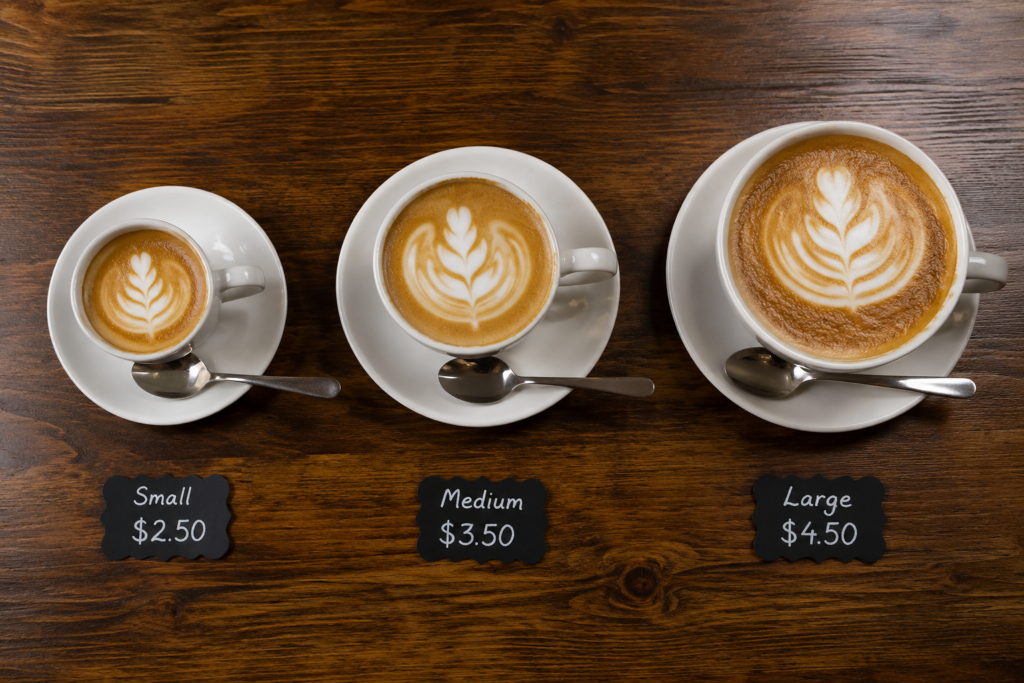
Here’s a classic from pricing psychology that almost every brand uses. Imagine a coffee shop offers:
- Small: ₹100
- Medium: ₹180
- Large: ₹200
The medium is the decoy. It exists to make the large look like incredible value. Almost nobody buys the medium – but it makes the large the obvious choice. Remove the medium, and people would happily stick with the small. Add it back, and they upgrade.
This is the decoy effect, and it’s one of the smartest tricks in the playbook. Premium brands use it in product tiers. Budget brands use it in combo packs.
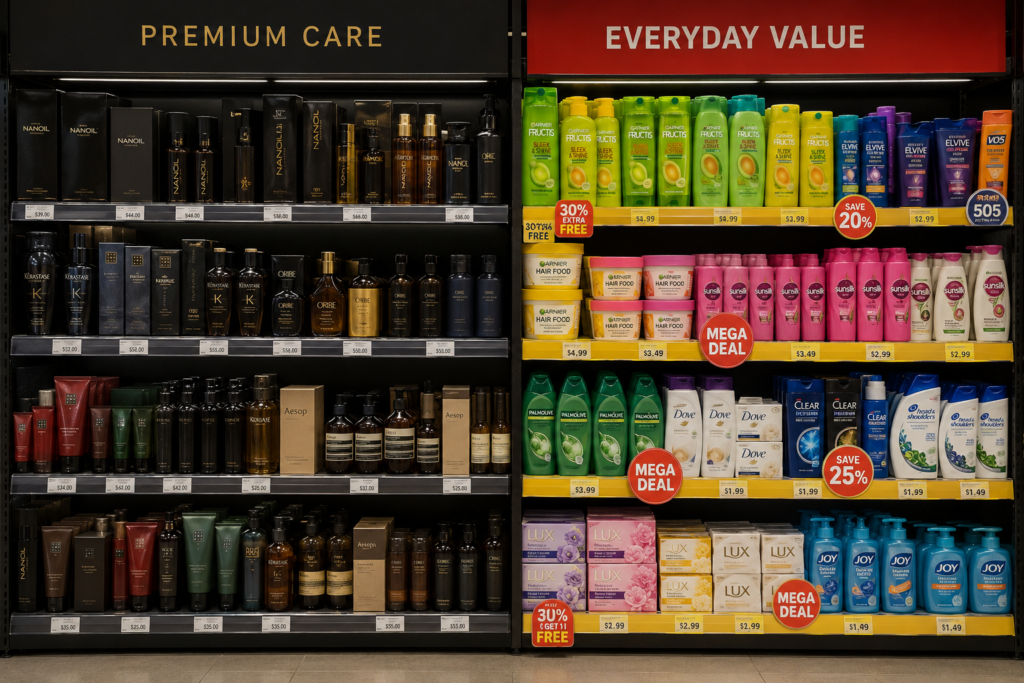
Premium vs Budget Brands: Side by Side
| Factor | Premium Brands | Budget Brands |
|---|---|---|
| Pricing Strategy | High price signals quality | Low price signals accessibility |
| Packaging | Heavy, luxurious, branded | Simple, functional, minimal |
| Anchor Use | Shows expensive options first | Leads with discounts and deals |
| Scarcity Tactic | Limited editions, exclusive drops | Low stock alerts, countdown timers |
| Customer Perception | Trustworthy, superior quality | Affordable but “less than” |
| Charm Pricing | Rarely – round numbers feel premium | Almost always (₹99, ₹499, ₹999) |
| Decoy Effect | Product tiers (Basic, Pro, Elite) | Combo deals, bundle upsells |
Notice something? Neither strategy is dishonest on its own. Both are simply using pricing psychology to speak to different buyers in different ways. Understanding this table helps you see exactly why brands make the choices they make – and why you respond the way you do.
Pros and Cons of Pricing Psychology for Consumers
Pros of Pricing Psychology for Brands
- Builds perceived value without always changing the product
- Helps segment buyers by price sensitivity automatically
- Makes marketing messages more emotionally powerful
- Increases average order value through anchoring and decoy tactics
- Creates brand loyalty by reinforcing identity through price positioning
Cons of Pricing Psychology for Consumers
- Easy to overpay for something you didn’t actually need at that price
- Can create false beliefs about quality when price is the only signal
- Scarcity tactics create unnecessary panic buying
- Charm pricing makes budgeting harder when you’re not paying attention
- Premium packaging costs get quietly passed on to you as the buyer
The good news? Once you know these tactics, they lose a lot of their power over you. Awareness is the best counter-move.
Practical Guide: How to Stop Falling for Price Tricks
Here’s how you can start making calmer, smarter buying decisions:
- Ignore the anchor. Ask yourself: “What is the actual value of this item to me today?” Not what it used to cost.
- Look past the packaging. A beautiful box doesn’t change what’s inside. Check ingredients, specs, and reviews instead.
- Pause on urgency. If an “offer ends tonight” deal still shows the same timer tomorrow, it’s manufactured urgency. Real scarcity doesn’t repeat.
- Compare full prices, not discounts. A 50% off sale on an overpriced product may still be more expensive than the fair-priced competitor.
- Know your decoys. When you see three options and the middle one seems weird, it’s probably there to push you toward the expensive choice.
- Use comparison tools. Sites like Forbes Advisor on consumer spending can help you research value before making big purchases.
For more practical tips on smart brand decisions and digital thinking, check out resources at NextGenDecode.in – they break down marketing and consumer topics in plain language.

What You Should Take Away From All This
Pricing psychology is everywhere. It’s in the soap aisle, the coffee menu, the checkout page, and the unboxing video on YouTube. Brands – both premium and budget – use it intentionally to shape what you feel, believe, and decide.
Here’s a quick recap of the 5 key points covered:
- Price anchoring makes the first number your reference point for everything that follows
- Charm pricing (₹999 vs ₹1000) tricks your brain into categorizing prices differently
- Premium packaging signals value before you even use the product
- Scarcity and urgency create desire and fear that speed up buying decisions
- The decoy effect pushes you toward the option the brand wanted you to pick all along
The smartest thing you can do is not reject pricing psychology – but understand it. Use it if you’re building a brand. See through it if you’re shopping. Either way, you win when you know the rules of the game.
Frequently Asked Questions About Pricing Psychology
Q1: What is pricing psychology in simple terms?
Pricing psychology is the study of how the price of something changes the way people feel about it. A higher price often makes a product seem better or more trustworthy – even when the quality hasn’t changed. Brands use this knowledge on purpose to influence buying decisions.
Q2: Why do premium brands charge more than budget brands?
Premium brands charge more because the high price is part of the product experience. It signals exclusivity, quality, and status. The price itself becomes a marketing tool. Budget brands prioritize accessibility and volume, so they keep prices low to reach more buyers.
Q3: How does price anchoring affect my buying decisions?
Price anchoring works by making the first price you see your mental reference point. Once your brain locks onto that number, all other prices get compared to it. This is why seeing a ₹15,000 item first makes a ₹6,000 item feel reasonable – even if ₹6,000 is actually expensive for what it is.
Q4: Is pricing psychology ethical?
Pricing psychology itself is neutral – it’s a description of how human brains work. Using it to offer genuine value at a well-positioned price is fair business. Using it to deceive buyers with fake scarcity, artificial anchors, or misleading discounts becomes manipulative. The ethics depend on how it’s applied.
Q5: How can I make smarter buying decisions knowing these tactics?
Start by slowing down. Most pricing psychology works fastest when you react emotionally. Pause, compare actual product value against price, ignore countdown timers that reset, and look past packaging. Asking “would I pay this price if there was no discount label on it?” is one of the most useful questions you can develop as a habit.